
Chinese cork tree
Phellodendron chinense
Description
Sowing dates
The propagation of the Chinese cork tree is primarily performed through seed sowing or stem cuttings. Seeds require a mandatory stratification process for approximately two to three months at low temperatures to break dormancy and ensure high germination rates.
Sowing in open ground or nursery beds is recommended during the autumn or early spring after the risk of severe frost has passed. Seeds should be planted at a depth of 1 to 2 centimeters in loose, nutrient-rich soil.
To improve germination speed, soaking seeds in growth stimulants prior to planting is a common practice. Seedlings grow at a slow pace initially, making consistent soil moisture a critical factor for success.
Young plants require protection from direct sunlight during their first year, often achieved through shade cloths or natural coverage. Intensive vegetative growth typically begins in the second season as the root system becomes robust.
Transplanting to a permanent location should be handled with care, as the plant develops a deep taproot that is sensitive to mechanical damage. It is best to finalize the site selection while the tree is still relatively young.
Growing requirements
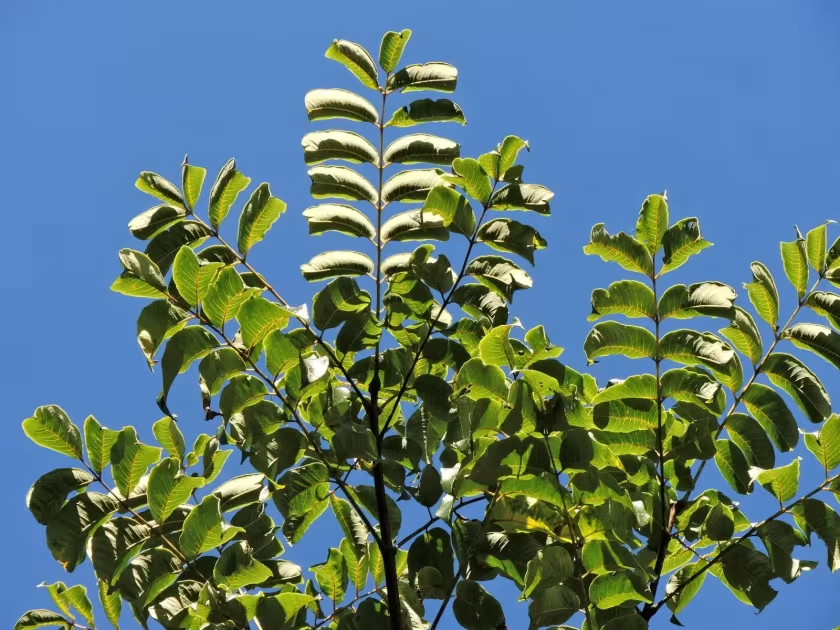
The Chinese cork tree is a member of the Rutaceae family, recognized for its distinctive corky bark and dense foliage. It is widely cultivated for its high concentration of medicinal compounds, particularly in its bark.
This species thrives in moist, fertile, loamy soils with excellent drainage. It performs poorly in waterlogged environments or extremely dry, sandy conditions that lack adequate nutrient retention.
The plant prefers full sun exposure to achieve optimal growth, although young trees can tolerate partial shade. Protecting the trees from high-velocity winds is also recommended to prevent structural damage.
The ideal climatic conditions range from temperate to subtropical, with active growth occurring during warm months. While the plant shows reasonable cold hardiness, young specimens may require winter protection in colder regions.
Agronomic management includes regular weeding, mulching to retain soil moisture, and moderate fertilization with organic matter. Proper spacing is essential to ensure adequate airflow and light penetration across the canopy.
Main diseases and pests
The Chinese cork tree is susceptible to several fungal diseases, particularly leaf spots and bark necrosis, which are exacerbated by high humidity and stagnant air conditions around the crown.
Common pests include aphids, scale insects, and various leaf-feeding beetles. These pests can weaken the overall health of the tree and decrease the market value of the harvested bark.
Preventative strategies include maintaining optimal plant density and performing regular sanitation pruning to remove diseased wood. These practices significantly reduce the habitat for pathogens and pests.
If chemical interventions are necessary, integrated pest management (IPM) should be applied. Priority should be given to biological controls to ensure that the medicinal quality of the harvest remains high.
Monitoring the tree health during the peak growing season allows for early detection of infestations, preventing the need for broad-spectrum chemical sprays that could affect the ecological balance.
Harvesting
The primary harvest target is the bark, which is typically collected from mature trees that are at least 15 to 20 years old. Sustainable harvesting practices are vital to ensure the long-term viability of the plant.
Bark collection is performed during the peak sap-flow period, as this facilitates easier separation from the wood. Once harvested, the bark must be dried thoroughly in well-ventilated areas to prevent spoilage.
Drying is a critical phase where moisture is removed until the material becomes brittle. Maintaining the integrity of alkaloids, such as berberine, is the main goal throughout the drying process.
Stored bark should be kept in cool, dry, and dark conditions, using breathable packaging materials to preserve its medicinal properties for as long as possible before industrial processing.
The economic value of this crop lies in its widespread use within the pharmaceutical industry for producing herbal remedies known for their antimicrobial and anti-inflammatory properties.