
Breath of Heaven
Diosma hirsuta L.
Description
Growing requirements
Diosma hirsuta L., commonly known as Breath of Heaven, is a perennial evergreen shrub belonging to the Rutaceae family. Native to the Cape region of South Africa, it thrives in environments characterized by mild winters and dry, sunny summers, requiring specific conditions for successful cultivation.
The plant demands a site with full sun exposure to maintain its compact growth habit and prolific flowering. It prefers gritty, well-draining, acidic to neutral soils. In heavy or compacted soils, the root system is highly susceptible to decay, making proper soil aeration essential for plant health.
Regarding climatic requirements, Diosma hirsuta is not frost-tolerant. In cooler latitudes, it must be grown in containers, moved indoors during winter months, or maintained in greenhouses where temperatures remain above freezing and provide adequate ventilation.
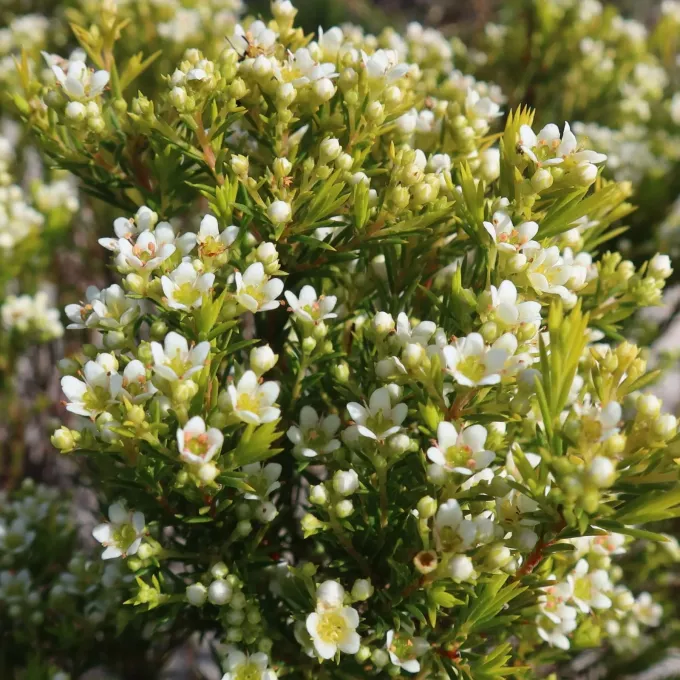
Botanically, the plant is characterized by its small, hirsute (hairy) leaves that release a distinctive aromatic fragrance when brushed or crushed. The flowers are small, star-shaped, and appear in masses, ranging in color from pure white to soft pink, covering the entire shrub during the peak season.
In terms of agricultural and horticultural use, this species is highly valued for its ornamental appeal. It is commonly utilized in rock gardens, coastal landscaping, and container gardening where its delicate texture and evergreen foliage provide year-round interest and a pleasant scent to the surroundings.
Main diseases and pests
The primary threats to Diosma hirsuta are fungal pathogens, specifically those causing root rot, which are triggered by overwatering and poor drainage. Providing a drying period between waterings is critical to prevent the colonization of pathogenic fungi in the root zone.
Insect pests such as spider mites and scale insects are common in greenhouse environments. These pests thrive in dry air conditions, often colonizing the dense foliage where they are difficult to detect during initial infestation stages, leading to yellowing leaves and reduced vigor.
Chlorosis is a frequent physiological issue caused by high soil alkalinity or the use of hard water. As a calcifuge-leaning plant, Diosma prefers water with a low mineral content to maintain the efficiency of its root nutrient absorption and overall aesthetic appearance.
Mechanical stressors, including improper pruning or winter exposure to harsh winds, can compromise the plant's structural integrity. Maintaining a balanced pruning schedule helps in removing dead wood, which could otherwise become a site for opportunistic pests or mold growth.
Effective management includes regular monitoring for early signs of infestation and the application of horticultural oils or neem-based treatments. Ensuring sufficient spacing between individual plants is vital for maintaining the airflow necessary to prevent mildew and other foliage-related ailments.