
Citroncirus webberi
Citroncirus webberi
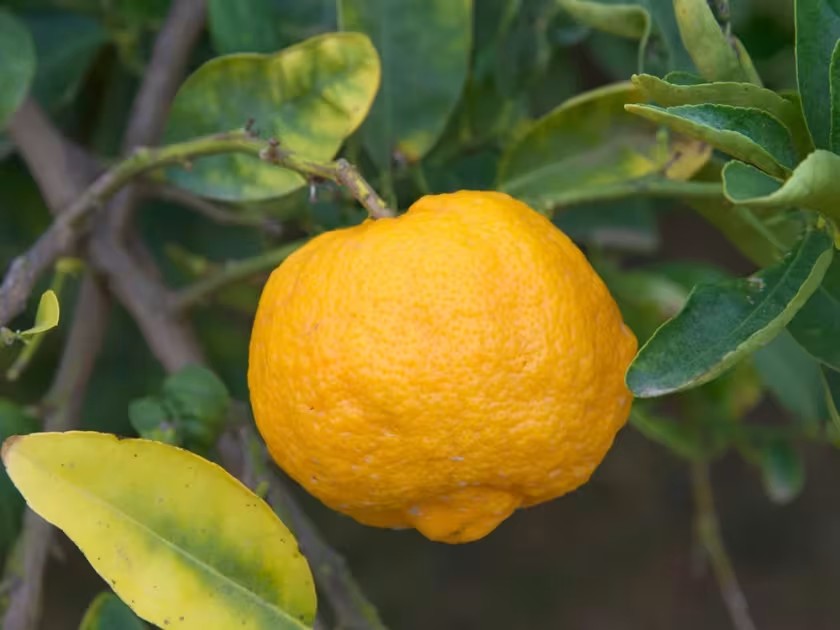
Description
Growing requirements
Citroncirus webberi is an intergeneric citrus hybrid resulting from the crossing of Poncirus trifoliata and various Citrus species. It belongs to the Rutaceae family and is widely recognized for its vigor and ability to withstand climatic stresses that typically affect standard citrus varieties.
Botanically, this plant displays intermediate characteristics. It is frequently evaluated for its potential as a rootstock, as it combines the cold-hardiness of the trifoliate orange with the compatibility and vigor of traditional citrus cultivars. Its leaves and woody structure are well-adapted to varied environments.
The cultural requirements demand well-drained, fertile soil with a slightly acidic profile. Proper site selection is crucial to ensure adequate sunlight exposure, as shade can negatively impact the plant's overall development and increase its susceptibility to fungal diseases.
Agrotechnical practices include systematic pruning to maintain a structured canopy, which promotes better fruit production if utilized for breeding purposes. Irrigation management must be precise; avoiding water stagnation around the base of the stem is vital to prevent root rot.
In terms of agricultural use, Citroncirus webberi is primarily valued for its role in citrus propagation. Its ability to impart favorable growth traits to scions makes it a subject of interest in nurseries that focus on developing resilient citrus lines for subtropical landscapes.
Main diseases and pests
The primary threats include fungal diseases such as citrus scab and anthracnose. These pathogens typically thrive in moist, humid conditions and can cause significant foliage damage if left unaddressed. Regular fungicide treatments are recommended during the spring growth flush.
Pests like the citrus whitefly are common. These insects cluster on the undersides of leaves, extracting plant fluids and promoting the growth of sooty mold, which impairs photosynthesis. Integrated pest management strategies are essential for maintaining plant health.
Aphids and scale insects can also cause significant stress to young trees. Physical removal or the application of horticultural oils is often sufficient to control minor infestations before they reach levels that require chemical intervention.
Root system health is often compromised by Phytophthora, a group of oomycetes that cause collar rot. Maintaining proper planting depth and ensuring high air porosity in the soil are the most effective preventive measures against these soil-borne organisms.
- Regular inspection of leaf undersides
- Ensuring optimal soil drainage
- Application of horticultural oils for pest control
- Annual pruning for canopy airflow