
Citrumelo
Citroncirus citrumelo
Description
Growing requirements
Citrumelo (Citroncirus citrumelo) is an intergeneric hybrid resulting from the cross between the Duncan grapefruit (Citrus paradisi) and the trifoliate orange (Poncirus trifoliata). Belonging to the Rutaceae family, it has become a staple in citrus production due to its vigor and adaptability as a rootstock.
The plant is highly valued for its superior cold tolerance and resistance to various soil-borne pathogens. It thrives in a wide range of soil conditions, showing particular resilience in heavy, poorly drained clay soils where other citrus varieties would typically struggle with root rot.
Optimal growing conditions involve well-drained, slightly acidic soils. While it is quite hardy, providing consistent water and nutrition during the growing season is essential for developing a strong root system capable of supporting heavy yields in scion varieties.
Citrumelo is widely used in commercial orchards because it imparts disease resistance, especially against citrus tristeza virus, to the grafted trees. This trait significantly improves the longevity and productivity of citrus groves in diverse geographical locations.
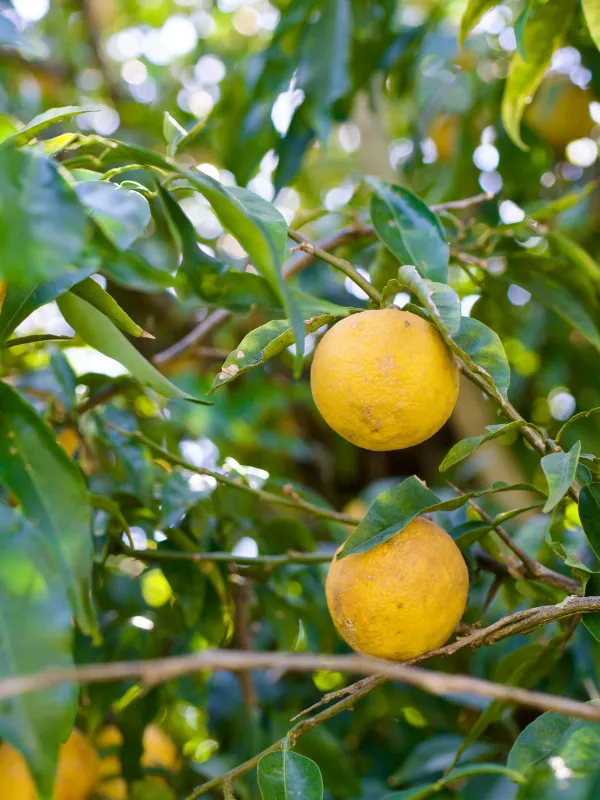
The botanical characteristics include complex leaves with three leaflets and a bushy growth habit. The fruits are inedible due to their extreme acidity and bitterness, but they serve as a reliable source of seeds for producing high-quality, uniform rootstocks for large-scale nursery operations.
Main diseases and pests
A major limiting factor for Citrumelo is its high susceptibility to iron deficiency chlorosis when planted in alkaline or high-calcium soils.
The root system, while generally robust, can be prone to fungal attacks if the drainage is compromised or if the soil remains excessively saturated for prolonged periods.
Pests such as citrus whitefly and scale insects can infest the foliage, requiring active monitoring and integrated pest management strategies to prevent stunted growth.
Citrus leaf miners often target the young leaves during the spring flush, which can weaken the overall vigor of the rootstock plant.
To maintain healthy trees, nurserymen should ensure balanced fertilization and regular soil testing to avoid nutrient imbalances that leave the plant vulnerable to secondary infections.