
Citroncirus
Citroncirus citrandarin
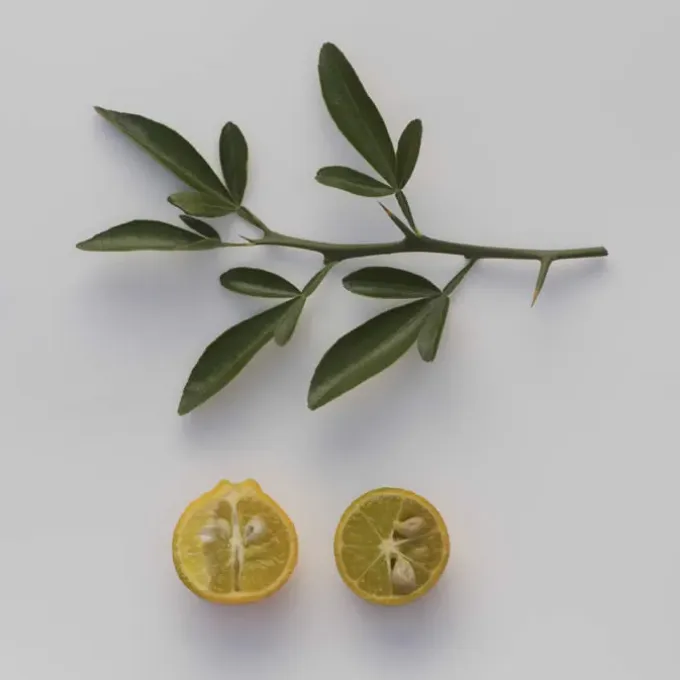
Description
Growing requirements
Citroncirus is an intergeneric hybrid within the Rutaceae family, primarily derived from breeding citrus varieties with Poncirus trifoliata. It is widely recognized for its increased cold hardiness and robustness compared to conventional citrus species grown in tropical or subtropical regions.
The plant requires a location with full sun exposure and well-drained soil to thrive. It is sensitive to waterlogged conditions, which can lead to root system decay; therefore, ensuring proper drainage or selecting a slightly elevated site for planting is essential for long-term health.
Climatic requirements are broader than those of standard citrus; Citroncirus can endure significantly lower temperatures. However, during the active growth period, it prefers consistent warmth and protection from extreme wind, which can desiccate foliage and cause physical damage to young branches.
Agronomic practices focus on balanced fertilization and managed irrigation. Providing macronutrients such as nitrogen, phosphorus, and potassium at the correct developmental stages ensures that the tree builds sufficient reserves to withstand seasonal changes and successfully enter dormancy.
In terms of хозяйственное (economic) utility, Citroncirus is most valuable as a rootstock. It provides improved tolerance to soil-borne pathogens and nutrient-poor conditions, making it an excellent base for grafting high-quality commercial citrus cultivars in various temperate regions.
Main diseases and pests
Typical plant health threats include common citrus pests such as aphids, scale insects, and citrus mites. Fungal diseases, particularly those affecting the root and collar regions, may occur if soil moisture levels are not properly managed throughout the growing season.