
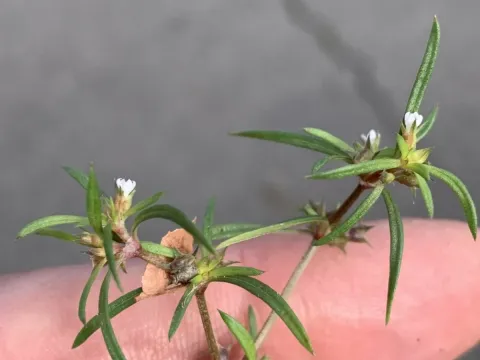
Oldenlandia capensis
Oldenlandia capensis
Oldenlandia capensis is a plant species belonging to the Rubiaceae family. Indigenous to regions of Africa, this herbaceous plant is typically found in seasonally wet habitats, which defines its specific requirements for water availability and site selection.
What the section contains
Oldenlandia capensis
The botanical structure of the plant features slender stems and simple, opposite leaves. It exhibits an adaptive growth pattern that allows it to thrive in diverse wetland environments, often serving as a pioneer species in certain ecological niches.
Regarding soil requirements, the culture prefers moist, well-drained loamy soils rich in organic matter. Maintaining a consistent moisture level is crucial, as the plant does not tolerate prolonged drought stress or complete soil desiccation during its active growth phases.
The climate preference for this species is tropical or subtropical. It requires high average temperatures and high humidity to reach its full development potential, being extremely vulnerable to frost and cold air currents that can cause irreversible damage to tissues.
In modern agricultural contexts, this plant is investigated for its potential utility in pharmaceutical applications. Proper cultivation management focuses on maximizing biomass production while ensuring the purity of the vegetative material collected for further processing.
The primary threats to Oldenlandia capensis involve fungal pathogens that thrive under high-humidity conditions. Leaf spots and fungal wilts are common issues that occur when air circulation within the canopy is insufficient.
Pests such as mites and aphids present a significant challenge by colonizing the underside of leaves and stems. Their feeding activity extracts essential plant fluids, leading to stunted growth and lower quality of the final harvest.
Root rot, often caused by Pythium or Rhizoctonia, poses a severe risk in waterlogged soils. Ensuring excellent drainage and avoiding over-irrigation are the best preventative measures for maintaining root health in cultivation environments.
Management of these threats requires a systematic approach to crop hygiene. Removing debris and maintaining spacing between plants allows for better ventilation, which significantly reduces the pressure from both insects and pathogenic fungi.
If the cultivation is intended for medicinal use, the choice of pest control agents is highly restricted. Integrated Pest Management (IPM) strategies are recommended to maintain the biological integrity of the crop while effectively managing populations of harmful organisms.