
Chinese ixora
Ixora chinensis Lam.
Description
Growing requirements
Chinese ixora (Ixora chinensis Lam.) is a prominent evergreen shrub belonging to the Rubiaceae family. Native to the tropical regions of Southeast Asia, including southern China, it is widely recognized for its vibrant floral displays and adaptability in tropical landscapes.
The plant requires a warm, humid environment to thrive, typically needing temperatures consistently above 18 degrees Celsius. In non-tropical regions, it is cultivated primarily in greenhouses or as a potted indoor plant, requiring protection from cold drafts and sudden temperature fluctuations.
Soil requirements are strict, as the Chinese ixora prefers acidic to slightly acidic, well-draining soil mixes. High soil pH often results in iron chlorosis, a condition that impairs the plant's ability to produce chlorophyll, leading to yellowing of the foliage.
Cultivation practices involve providing bright, filtered sunlight to ensure optimal blooming. Direct exposure to intense noon sun can scorch the leaves, while insufficient light significantly reduces the number of flower clusters produced during the growing season.
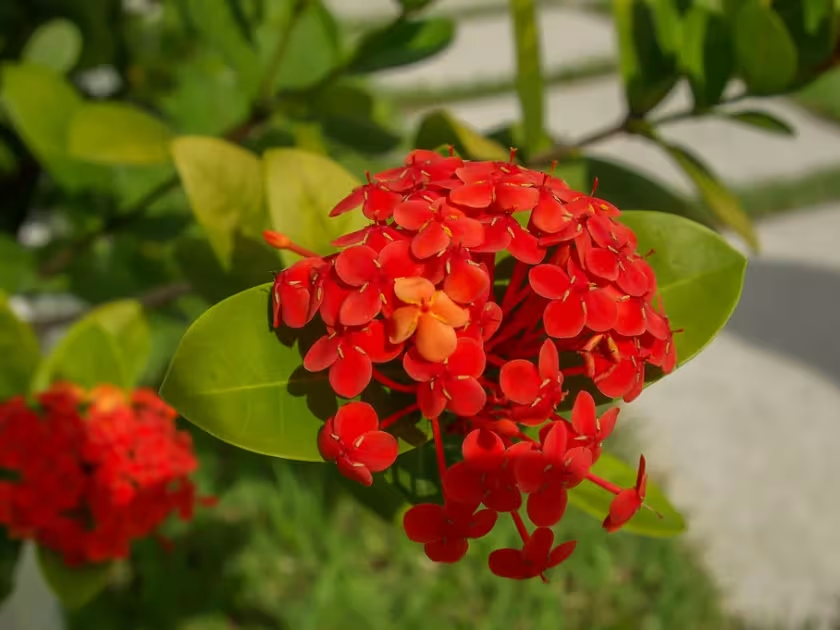
Economically, this species is highly valued in the ornamental plant industry for its long-lasting, dense clusters of tubular flowers. It is frequently used in tropical landscaping for hedges, borders, or as a focal point in specialized gardens.
Main diseases and pests
The most common pests affecting Chinese ixora include spider mites and scale insects. These pests thrive in dry environments, making the maintenance of proper humidity levels essential for preventing infestations and promoting plant vigor.
Root rot is a major threat, usually triggered by waterlogged soil and poor aeration. To mitigate this risk, it is crucial to use a substrate that provides excellent drainage and to avoid over-watering, especially during the dormant winter months.
Nutrient deficiencies, particularly iron and magnesium, manifest as leaf discoloration and reduced growth. Regular application of chelated micronutrients and acid-promoting fertilizers helps maintain the healthy green appearance of the shrub.
Management of these threats involves a combination of cultural and chemical practices. Using systemic insecticides can effectively control persistent scale infestations, provided the treatment is applied according to the manufacturer's recommendations.
Sanitation practices, such as removing fallen leaves and pruning dead wood, are vital to preventing the spread of fungal pathogens. Maintaining good air circulation around the canopy helps minimize the risk of bacterial leaf spot diseases.