
Gardenia jasminoides
Gardenia jasminoides J. Ellis
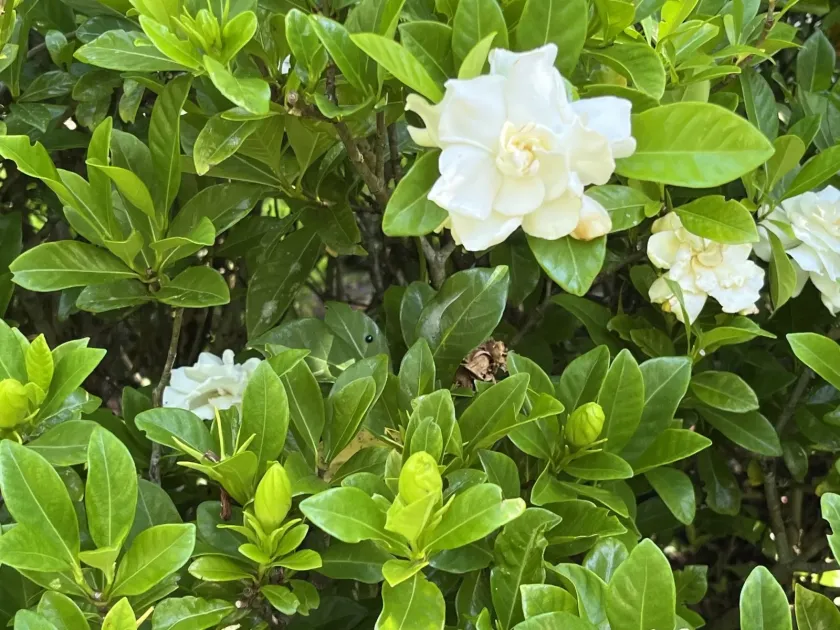
Description
Growing requirements
Gardenia jasminoides is a flowering shrub belonging to the Rubiaceae family. Originating from the subtropical regions of Southern China, Japan, and Taiwan, it is widely valued for its intensely fragrant white flowers and glossy evergreen foliage.
The culture thrives in acidic soils, typically requiring a pH between 5.0 and 6.0. In industrial settings, peat-based substrates are preferred to ensure both adequate nutrient availability and the necessary soil acidity for root development.
Optimal growth requires bright, indirect sunlight. While the plant appreciates warmth, direct sunlight during peak hours can cause leaf scorching, reducing the commercial quality of the foliage and overall plant health.
Temperature management is critical for consistent flower production. Night temperatures should ideally stay between 16°C and 18°C, while daytime temperatures should range from 20°C to 24°C to stimulate bud formation and prevent abscission.
Humidity control is paramount for this species. To achieve successful cultivation, humidity levels should be maintained at approximately 70%. High humidity also helps to mitigate the impact of heat stress during the summer months.
Main diseases and pests
Iron chlorosis is a common issue for gardenias, manifesting as yellowing leaves with green veins. This condition is almost always associated with high soil pH, which prevents the uptake of essential iron nutrients.
Spider mites are the most persistent pests affecting Gardenia jasminoides, especially in controlled environments with low humidity. They feed on plant sap, causing leaves to lose their luster and eventually drop prematurely.
Aphids can colonize new growth and flower buds, secreting honeydew that encourages the growth of sooty mold. Regular scouting and immediate application of systemic insecticides are standard procedures for commercial growers.
Root rot, typically caused by Phytophthora or Pythium species, occurs when irrigation is excessive and drainage is insufficient. It is a major threat that can cause sudden plant decline and death if not addressed early.
Scale insects present a challenge due to their protective coverings, which make them resistant to many contact insecticides. Manual removal combined with systemic chemical control is often the most effective strategy for large-scale operations.