
Galianthe centranthoides
Galianthe centranthoides
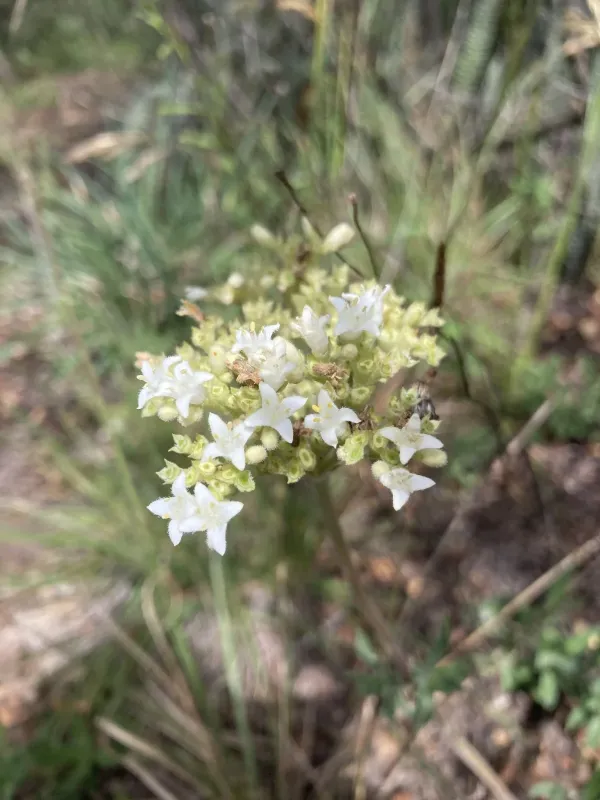
Description
Growing requirements
Galianthe centranthoides is a herbaceous plant belonging to the Rubiaceae family, native to the tropical and subtropical regions of South America. It is typically found in savanna ecosystems, reflecting its adaptation to specific light and moisture conditions.
The plant thrives in well-drained, sandy-loam soils that prevent waterlogging. Good aeration is essential for root health, as the species is sensitive to hypoxic conditions often caused by compacted or poorly structured soil profiles.
Climatic requirements favor environments with distinct seasonal variations. Optimal growth is achieved in warm temperatures ranging from 20 to 28 degrees Celsius, coupled with consistent, moderate precipitation during the active vegetative stage.
Agricultural management should prioritize the maintenance of soil structure through periodic cultivation. Proper spacing is necessary to facilitate air circulation within the canopy, which is crucial for reducing the micro-humidity that favors fungal pathogens.
Nutrient management involves balanced fertilization, focusing on nitrogen during early growth stages to stimulate biomass production. Soil pH should ideally be maintained in the slightly acidic range, which is natural for the plant's native habitats.
Main diseases and pests
Primary threats to Galianthe centranthoides include various root rot pathogens induced by excessive moisture. When the soil remains saturated for extended periods, the root system becomes highly susceptible to colonization by harmful fungi.
Insect pests, particularly those that feed on leaf tissue, pose a significant risk to the plant's overall vigor. These infestations can lead to decreased photosynthetic efficiency, directly impacting the plant's growth rate and development cycle.
Integrated Pest Management (IPM) is the recommended approach for controlling threats. This involves monitoring pest populations, using cultural practices such as crop rotation, and applying selective biological or chemical agents only when necessary.
Prevention strategies should emphasize the use of high-quality, disease-free seed stock. Cleaning equipment between fields is also critical to prevent the spread of soil-borne pathogens that can persist in the environment for several seasons.
Farmers should conduct regular scouting of the fields to identify early signs of nutrient deficiencies or pest damage. Early detection allows for more precise and effective interventions, minimizing the need for heavy pesticide applications.