
Galianthe palustris
Galianthe palustris
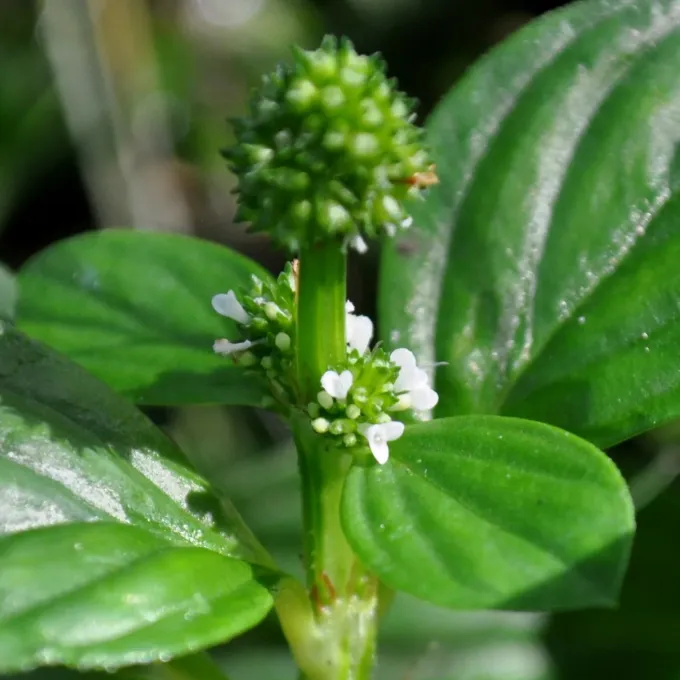
Description
Growing requirements
Galianthe palustris is a herbaceous perennial plant belonging to the Rubiaceae family. This species is widely recognized for its specialized ecological adaptation to wetland environments, reflecting its evolutionary success in aquatic and semi-aquatic habitats.
Originating from the tropical and subtropical regions of South America, the plant thrives in areas with consistent water availability. Its natural habitat includes floodplains, riverbanks, and marshy lowlands where soil moisture levels are consistently high throughout the year.
To cultivate this species effectively, one must provide high-organic soil that mimics its native environment. It displays a preference for acidic to neutral soil pH levels and exhibits a strong resilience to periodic waterlogging, which is a defining trait of the genus Galianthe.
Climate requirements include moderate to high temperatures, typical of its native range. The species is highly sensitive to extended drought conditions, which can be detrimental to its shallow root system and overall health, necessitating stable environmental management.
The economic and research interest in Galianthe palustris primarily stems from its secondary metabolism. As a member of the Rubiaceae family, it contains various phytochemicals that are subject to ongoing pharmacological evaluation for potential medicinal and industrial applications.