
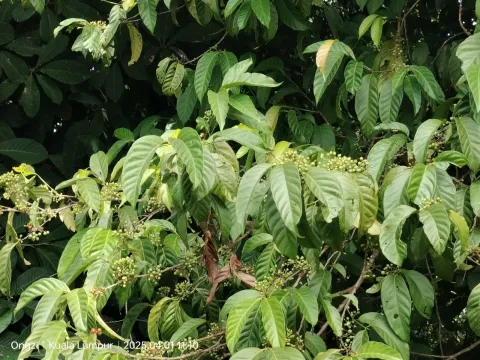
Aidia densiflora
Aidia densiflora
Aidia densiflora is a resilient evergreen shrub or small tree belonging to the Rubiaceae family. Native to the tropical regions of Southeast Asia, this species naturally thrives in the understory of dense forests, where it has evolved to utilize filtered light efficiently for photosynthesis.
What the section contains
Aidia densiflora
The climate requirements for this culture include high humidity levels and consistent tropical temperatures. It is highly sensitive to cold stress, making it unsuitable for cultivation in temperate climates unless grown in controlled greenhouse environments with stabilized heat indices throughout the year.
Soil preferences demand a nutrient-rich, well-drained substrate that prevents water stagnation. An acidic to neutral pH balance is preferred, and the incorporation of organic matter is essential for maintaining the vigor of the plant, especially during the active growing stages of the life cycle.
Botanically, the species is distinguished by its dense clusters of aromatic flowers, which are characteristic of the Rubiaceae family, and its thick, leathery, dark green leaves. The branching pattern is typically compact, contributing to its aesthetic and functional utility in landscape and agroforestry design.
In terms of economic usage, Aidia densiflora is valued primarily for its ecological roles and decorative potential. It can be integrated into perennial cropping systems in tropical zones to improve biodiversity and provide structural cover within multi-layered agroforestry configurations.
The primary threats to Aidia densiflora cultivation include fungal infections such as leaf spot and root rot, often exacerbated by poor air circulation and excessive substrate moisture. Pests such as mealybugs and various species of mites can also impact foliage quality, necessitating regular monitoring and proper preventive management practices.