
Southern Polylepis
Polylepis australis
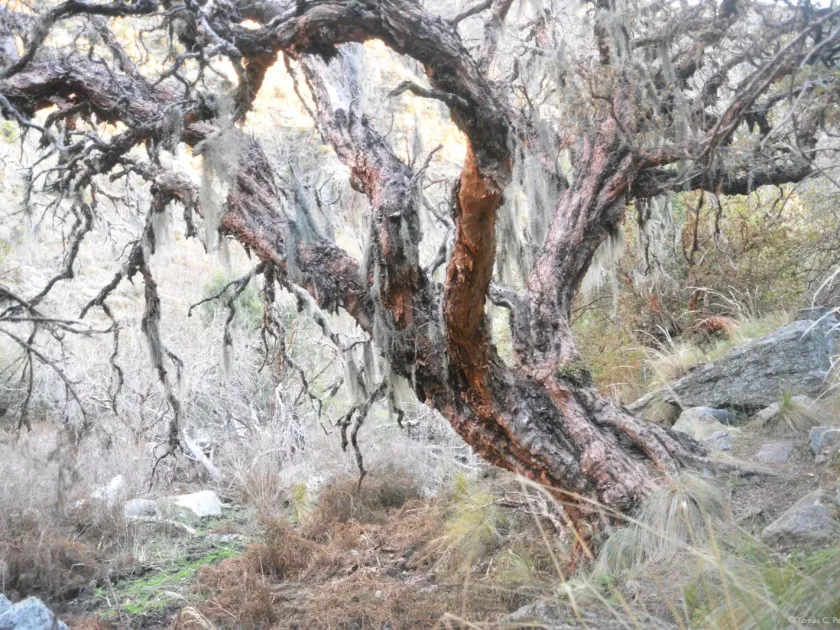
Description
Growing requirements
Southern Polylepis (Polylepis australis) is a distinctive tree species belonging to the Rosaceae family. Native to the high-altitude regions of the Andes, it is recognized as one of the world's highest-growing woody plants, capable of thriving at elevations above 4,000 meters.
The climate requirements for this species are specific, as it is adapted to the harsh conditions of high mountains, including significant temperature fluctuations between day and night. It thrives in cool, semi-arid environments and displays excellent resistance to frost.
Regarding soil preferences, the plant excels in rocky and well-drained substrates. Its deep root system allows it to anchor firmly into mountain slopes, playing a vital role in soil stabilization and the prevention of erosion in delicate alpine ecosystems.
Agricultural management for this species is focused on nursery propagation. Planting requires careful monitoring of seedling moisture levels, as juvenile plants are sensitive until they establish a robust root system. Once mature, the trees become highly drought-tolerant.
The primary economic and environmental use of the species is in reforestation projects. Historically, its extremely dense wood was utilized for construction and fuel, but modern efforts are strictly aimed at preserving these forests to protect mountain water sources and biodiversity.
Main diseases and pests
The most significant threat to the survival of the species is uncontrolled livestock grazing. Cattle and sheep often consume saplings, which halts natural forest regeneration and contributes to the gradual decline of fragmented forest stands.
Pathogenic threats include fungal infections that target the bark and inner tissues of the tree, particularly in humid or stagnant microclimates. These infections can lead to tissue decay, significantly weakening the tree's overall structural integrity.
Pest damage is typically caused by wood-boring insects. While mature, healthy trees often resist these infestations, trees stressed by climate change or human intervention are much more susceptible to severe damage by xylophagous pests.
Fire poses an extreme danger to Southern Polylepis populations. Due to the high resin content in the bark, the trees are highly flammable, and fire events can destroy decades of growth, leading to long-term ecological setbacks in the alpine regions.
Conservation strategies involve the creation of protected areas and the implementation of managed grazing rotations. Providing artificial protection for young trees in reforestation sites is essential to ensure they survive long enough to reach maturity and establish a sustainable population.