
Shrubby Cinquefoil
Dasiphora arbuscula (D. Don) Soják
Description
Growing requirements
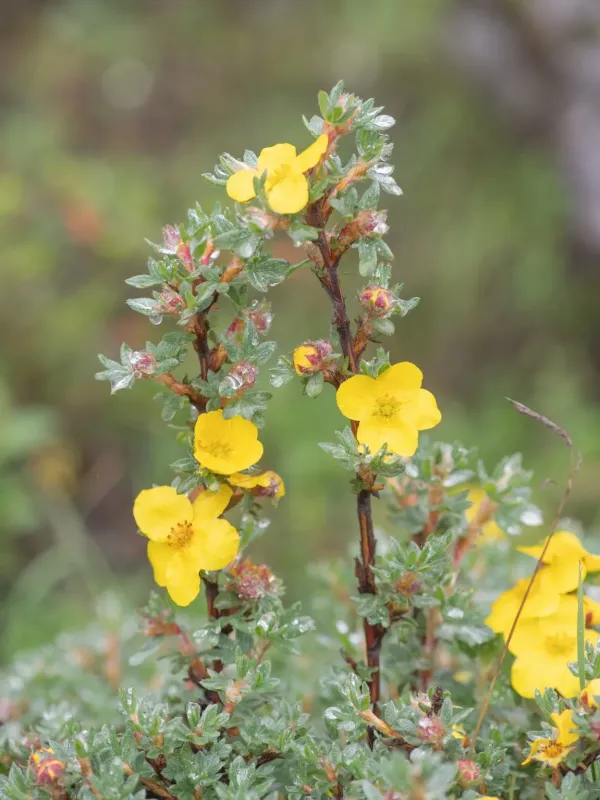
Shrubby cinquefoil (Dasiphora arbuscula) is a deciduous flowering shrub belonging to the Rosaceae family. Native to the mountainous terrains of Asia, this plant has adapted to survive in diverse and often harsh climatic conditions, ranging from rocky alpine slopes to high-altitude valleys.
The plant thrives in well-draining, moderately fertile soils. While it is highly adaptable, it struggles in poorly drained, waterlogged substrates which can lead to root system decay. It prefers sunny locations to ensure continuous and prolific blooming throughout the summer months.
Regarding cultural practices, annual pruning is essential to maintain a compact shape and stimulate new growth. It responds very well to regular shearing, making it a popular choice for low-maintenance hedges and structured landscape borders in both urban and rural environments.
The botanical versatility of Dasiphora arbuscula makes it a valuable asset for various environmental settings. It is notably resistant to winter frost and performs consistently well across different temperate climate zones, provided it receives adequate solar exposure.
In terms of usage, it serves primarily as an ornamental shrub. Additionally, some varieties within this genus are harvested for their foliage and flowers, which are processed into herbal tea infusions known for their soothing and mild therapeutic properties in various traditional cultures.
Main diseases and pests
Shrubby cinquefoil is generally robust, but it can be susceptible to common garden diseases such as powdery mildew, especially if planted in areas with poor air circulation or excessive humidity levels during the summer period.
Pests that may impact the health of the shrub include aphids and spider mites. These insects typically target the tender, young leaves, extracting plant fluids and causing chlorosis, stunted growth, or even partial leaf drop if left uncontrolled.
Preventative maintenance is the most effective defense strategy. Proper spacing between shrubs ensures adequate ventilation, which significantly reduces the risk of fungal outbreaks, while regular monitoring helps detect pest presence in its early stages.
Management strategies involve a mix of physical and chemical controls. Removing dead or diseased branches via pruning is a standard procedure to limit the spread of infections and improve the overall vigor of the individual plant.
If chemical interventions are necessary, systemic insecticides or fungicides should be applied carefully according to local guidelines. Maintaining high plant vitality through proper irrigation and nutrient management remains the primary method for preventing large-scale pest or disease outbreaks.