
Dahurian shrubby cinquefoil
Dasiphora davurica (Nestl.) Kom.
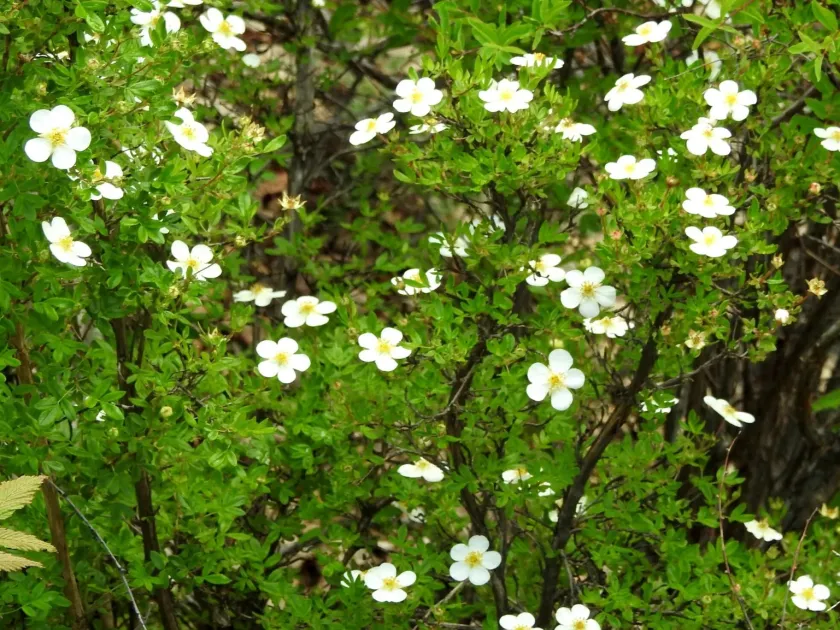
Description
Sowing dates
Dahurian shrubby cinquefoil (Dasiphora davurica) is primarily propagated through vegetative methods, including stem cuttings and the division of mature, healthy bushes.
Seed propagation is possible but requires a mandatory stratification period of several weeks at low temperatures to break seed dormancy and improve germination rates.
The optimal time for planting seedlings in open fields is early spring before bud break or late autumn, allowing the plants to establish roots before extreme weather.
When establishing a plantation, a spacing of approximately 70-90 centimeters between individual plants is recommended to allow for adequate air circulation.
When direct seeding, shallow sowing (up to 1 centimeter deep) into moist, well-prepared soil is essential to ensure consistent emergence of seedlings in the spring.
Growing requirements
As a member of the Rosaceae family, Dasiphora davurica is a hardy, perennial shrub naturally adapted to rocky slopes and riverbeds in temperate regions.
The plant thrives in well-drained, slightly acidic to neutral soils and requires full sun exposure to maintain its compact habit and abundant flowering.
While the species is highly drought-tolerant once established, regular irrigation during the first growing season is crucial for deep root development.
Agrotechnical care includes regular weeding of the area around the base and mulching to conserve soil moisture and prevent competitive weed growth.
Pruning is an essential maintenance task performed in early spring to remove dead wood and encourage the growth of new, flower-bearing shoots.
Yield
The economic value of this crop lies in its leaves and flowers, which are harvested for their therapeutic properties and high vitamin content.
The yield is maximized during the peak of the flowering stage, requiring careful planning of harvest operations to ensure high-quality output.
Productive bushes can be maintained for up to two decades if subjected to proper rotational pruning and consistent soil nutrient management.
Yield stability is a notable trait of this species, as it is highly resistant to fluctuating environmental conditions common in its native range.
Proper post-harvest processing, including controlled dehydration, is vital to preserve the volatile compounds that define the medicinal quality of the harvest.
Main diseases and pests
Dahurian shrubby cinquefoil is generally robust, but excessive humidity can predispose it to fungal diseases such as powdery mildew.
Root system issues can arise from stagnant water in poorly drained soil, which may lead to fungal rot and subsequent wilting of the shrub.
Common pests like aphids and spider mites can infest the foliage, particularly during extended dry and hot periods, causing yellowing and stunted growth.
Integrated pest management, involving beneficial predatory insects and the use of natural fungicides, is the preferred approach for commercial cultivation.
Regular monitoring of the underside of leaves for early signs of mite infestation allows for targeted intervention and protects the overall crop health.
Harvesting
Harvesting involves the manual clipping of apical shoots during the peak flowering phase, ensuring that only healthy, undamaged parts are collected.
It is important to ensure that tools are disinfected between different bushes to prevent the potential spread of pathogens throughout the plantation.
The harvested plant material must be kept in clean, breathable containers and transported quickly to the drying facility to prevent quality degradation.
Drying should take place in a dark, well-ventilated area or a specialized drying oven to maintain the natural color and integrity of the medicinal components.
Once harvested, a light application of organic fertilizer may be applied to support the plant's metabolic needs and facilitate recovery after the pruning process.