
Shrubby cinquefoil
Dasiphora fruticosa (L.) Rydb. subsp. fruticosa
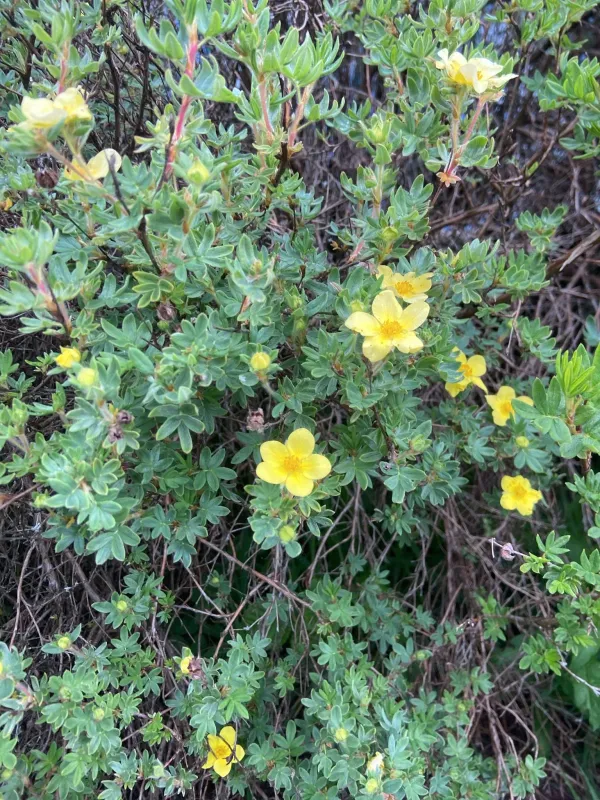
Description
Sowing dates
Shrubby cinquefoil, botanically known as Dasiphora fruticosa, is a perennial deciduous shrub belonging to the Rosaceae family. It is valued for its hardiness and long flowering period.
Propagation can be achieved through seed sowing in spring or autumn. Seeds require a period of stratification to improve germination rates, especially for those collected in colder regions.
Vegetative propagation via softwood cuttings is the most common commercial method. Cuttings are typically taken during early summer and rooted in a moist, sterile medium under controlled humidity.
When transplanting into the field, ensure a spacing of at least 60 to 90 centimeters between individual plants to allow for proper air circulation and future growth.
The shrub establishes a deep root system, making it essential to prepare the planting site with organic matter to ensure long-term soil structure and fertility.
Growing requirements
This species thrives in full sun exposure. While it can tolerate partial shade, insufficient sunlight significantly reduces the intensity of flowering and overall plant vigor.
The plant is adaptable to various soil types, but it prefers well-drained, fertile loamy soils. It is critical to avoid waterlogged areas, as the roots are sensitive to chronic saturation.
It possesses excellent cold hardiness, making it suitable for regions with severe winters. Its drought tolerance is high once established, although supplemental water improves bloom quality.
Maintenance involves annual spring pruning to remove dead or weak branches, which stimulates the growth of new, flower-bearing shoots and maintains a compact shape.
Fertilization with a balanced NPK ratio in early spring supports sustained growth and resilience against environmental stresses throughout the growing season.
Yield
The plant is harvested for its leaves and flowers, which are widely used in herbal medicine. Harvesting occurs during peak bloom, typically from mid-summer through early autumn.
For high-quality medicinal output, the harvested material should be dried rapidly in a shaded, well-ventilated area to preserve volatile oils and bioactive compounds.
Beyond its medicinal use, Shrubby cinquefoil serves as an important pollinator plant, attracting bees and beneficial insects to agricultural ecosystems and gardens.
Yield consistency is achieved through rigorous management of the shrub's canopy, ensuring that no woody accumulation hinders the emergence of new, productive growth.
Commercial plantations can maintain productive yields for many years if periodic rejuvenation pruning is practiced to replace aging wood with younger, more vigorous stems.
Main diseases and pests
Fungal issues such as rust are common in areas with high humidity. Regular scouting and the removal of infected plant tissue are essential for disease management.
Powdery mildew may appear on the foliage if air circulation is restricted. Pruning practices that open the canopy effectively mitigate this risk without heavy fungicide use.
Pests such as aphids and leaf-rollers can target young leaves. Monitoring during the early growth stages is crucial to intervene before widespread damage occurs.
Spider mites can be a problem during extremely dry and hot spells. Maintaining adequate moisture and preventing plant stress helps the shrub remain resistant to infestations.
Biological controls and targeted, low-toxicity applications are preferred for pest management to preserve the quality and safety of the harvested medicinal material.