
Sibbaldia miyabei
Sibbaldia miyabei
Description
Growing requirements
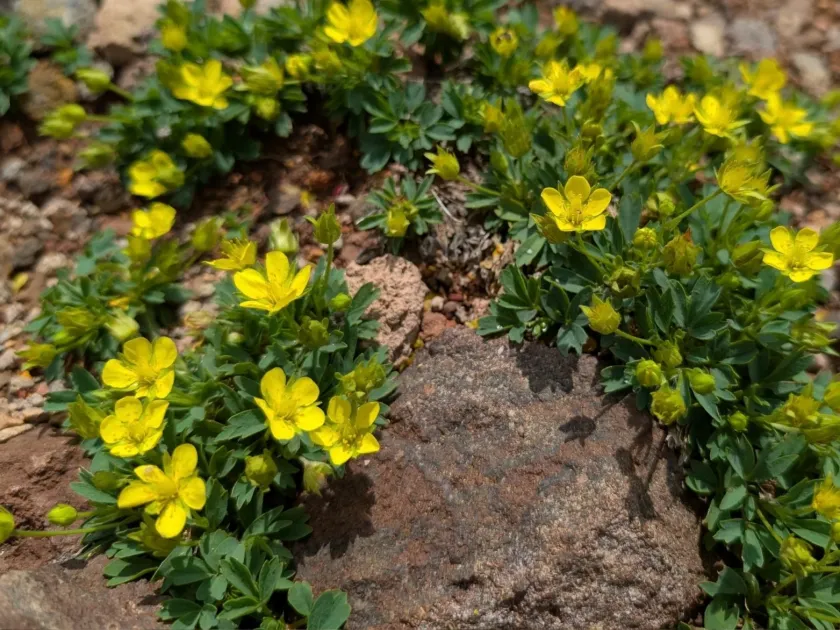
Sibbaldia miyabei is a perennial herbaceous plant belonging to the Rosaceae family. Often closely associated with the Potentilla genus due to taxonomic revisions, this plant is recognized for its unique adaptation to alpine environments and its distinct morphological structure.
Native to the high-mountain regions of Japan, this species has adapted to extreme conditions such as rocky slopes and unstable screes. Its natural habitat is characterized by short growing seasons, low temperatures, and specialized nutrient-poor soils, which the plant successfully utilizes for survival.
Botanically, the plant is characterized by a low, spreading habit with dense, often pubescent foliage. The leaves are typically compound, providing a structural mat that is highly valued in rock garden designs for its ability to stabilize soil and maintain a neat appearance year-round.
Cultivation requirements necessitate well-draining, stony soil that mimics its original alpine environment. Avoiding waterlogging is the most critical factor in successful management; thus, a substrate composed primarily of gravel and coarse sand is recommended to ensure long-term plant health.
Climate preferences involve a need for cool, temperate conditions and good light exposure, but without the intense direct heat of lowland summers. Successful cultivation depends on providing a microclimate that prevents excessive humidity while allowing sufficient hydration during the active growth phase.
Main diseases and pests
The primary threats to this species in an agricultural or garden setting are fungal pathogens, specifically those causing root and crown rot. These issues are almost exclusively related to poor drainage and inadequate airflow around the base of the plant.
Pest issues include common garden pests such as aphids and spider mites, which can infest the foliage during hot, dry periods. Integrated pest management strategies, focusing on early detection and maintaining plant vigor, are the most effective ways to mitigate these risks.