
Friedrichsen's cinquefoil
Dasiphora x friedrichsenii (Späth) Juz.
Description
Growing requirements
Friedrichsen's cinquefoil (Dasiphora x friedrichsenii) is a hybrid ornamental shrub belonging to the Rosaceae family. It originates from a cross-breeding between two distinct species of the genus, resulting in a hardy and highly ornamental plant widely used in horticulture.
The native range and cultivation area include temperate zones across the Northern Hemisphere. Because of its adaptability, it has become a staple in urban landscaping and residential gardening throughout Europe, North America, and parts of Asia.
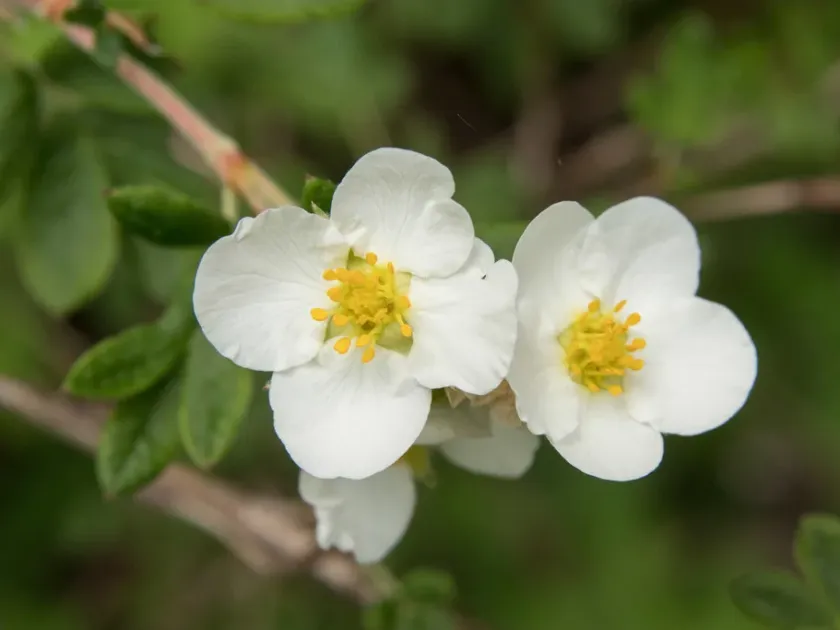
Botanically, it is a deciduous, multi-stemmed shrub growing up to one meter in height. The foliage is pinnately compound, often featuring fine hairs that give the plant a textured appearance. The flowers, appearing from late spring until autumn, are the highlight of this species.
Climate requirements for this culture include full exposure to direct sunlight. While it is extremely cold-tolerant, it requires a well-ventilated location to prevent humidity-related issues, which are common in densely planted areas with poor air circulation.
Soil conditions should ideally be fertile, slightly acidic, or neutral. A well-draining substrate is mandatory, as Friedrichsen's cinquefoil is prone to root damage if left in waterlogged conditions for extended periods during the rainy season.
Main diseases and pests
Common pests affecting this shrub include aphids and spider mites. These pests thrive in hot, dry weather conditions, causing leaves to yellow and curl. Regular monitoring of the underside of the leaves is essential for timely intervention using organic soap sprays or specific acaricides.
Fungal threats, such as rust and powdery mildew, are the primary pathogens associated with this plant. They typically occur when the plant is stressed or when the planting density is too high, leading to limited airflow within the shrub's center.
Preventive measures include annual pruning, which is crucial for maintaining plant vigor. By removing dead or crossing branches in early spring, gardeners ensure that the shrub remains healthy and less susceptible to the aforementioned diseases.
Regarding its use, this species is highly valued for commercial and private landscape architecture. It is frequently employed in rock gardens, mass shrub borders, and low-maintenance hedges due to its compact size and exceptionally long flowering season.
Successful long-term cultivation requires minimal fertilization, as the plant is relatively undemanding. A layer of organic mulch can help retain soil moisture during the summer while suppressing weeds, contributing to the overall longevity of the plant in the landscape.