
Shrubby cinquefoil
Dasiphora fruticosa (L.) Rydb.
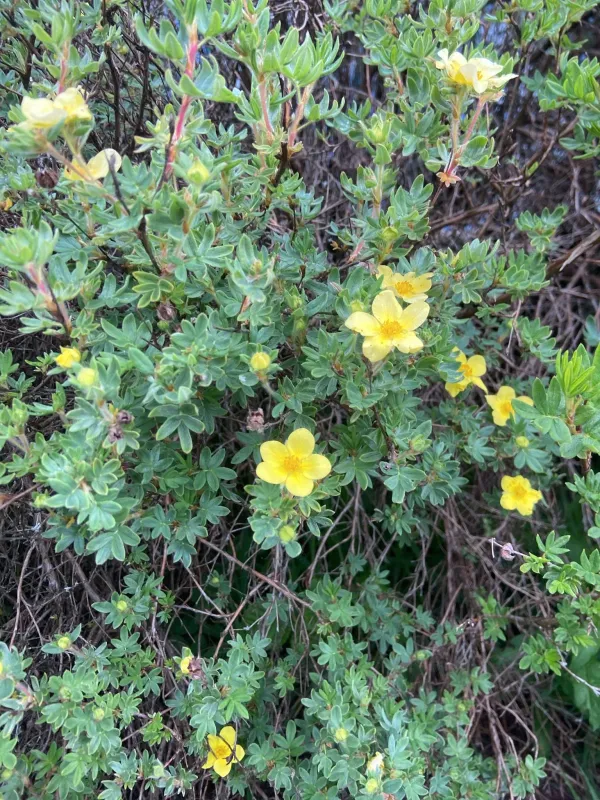
Description
Sowing dates
Propagating Shrubby cinquefoil is best achieved through semi-hardwood cuttings taken during the summer months. This method ensures that the new plants retain the specific traits and flowering characteristics of the parent plant.
Seed propagation is possible but less common due to the long germination time and the requirement for stratification. Seeds should be sown in prepared soil media during early spring to allow for natural development in the warmth of the growing season.
When transplanting nursery-grown specimens into the field, choose a location with adequate space, maintaining a distance of at least 70 centimeters between individual plants to promote healthy air circulation and root growth.
The first two years are critical for establishment. Regular watering and keeping the area free from invasive weeds will help the shrub establish a strong root system, which is vital for its long-term survival in various environments.
Success in planting Dasiphora fruticosa depends heavily on soil drainage. While the shrub is quite adaptable, waterlogged conditions during the initial planting phase must be strictly avoided to prevent root damage.
Growing requirements
Shrubby cinquefoil, a member of the Rosaceae family, is renowned for its exceptional hardiness and adaptability. It can withstand extreme cold and periods of drought, making it a reliable choice for diverse climates.
For optimal growth and bloom density, this shrub requires a location with full sunlight. Although it may tolerate partial shade, insufficient light often results in leggy growth and significantly reduced flowering capacity.
The plant thrives in well-drained soil and is tolerant of a variety of soil types, including slightly acidic, neutral, or even rocky substrates. This versatility makes it an excellent candidate for challenging landscape sites.
Maintenance involves routine pruning to sustain the shrub's shape and vigor. An annual spring trim removes winter-damaged branches, while a periodic hard pruning every few years encourages fresh growth and rejuvenation.
Minimal fertilization is required, but applying a balanced fertilizer in the early spring can enhance overall plant health. Ensure that the soil remains adequately nourished to support the energy-intensive flowering phase.
Yield
The economic value of Dasiphora fruticosa is primarily tied to its medicinal and ornamental applications. Leaves and flowers are harvested for their high content of tannins and flavonoids used in natural medicine.
Harvesting for pharmaceutical purposes occurs during the peak of the flowering period. Proper drying techniques, away from direct sunlight, are essential to preserve the biological integrity and efficacy of the plant materials.
As a landscape asset, the plant is highly valued for its prolonged flowering season, which lasts from early summer until the first frosts. It serves as an essential nectar source for bees and other pollinators.
In environmental management, the shrub is useful for soil stabilization. Its extensive root system helps prevent erosion on slopes, making it a sustainable choice for restoring degraded land or urban spaces.
Because of its longevity and low maintenance, Shrubby cinquefoil is a cost-effective choice for municipal landscaping, providing high decorative yield with minimal long-term input requirements.
Main diseases and pests
Dasiphora fruticosa is naturally resistant to most common plant diseases. Its robust constitution is one of its primary strengths, allowing it to survive with little to no chemical intervention under normal conditions.
Powdery mildew may occur if plants are crowded in humid conditions with poor ventilation. Ensuring adequate space between shrubs and performing regular thinning helps manage these environmental risks effectively.
Occasional infestations of aphids or caterpillars can occur, but these are rarely fatal to healthy, established plants. Biological control methods or simple manual removal are usually sufficient to mitigate any damage.
Root rot is the most serious threat, usually caused by poor soil drainage and overwatering. Maintaining the correct moisture balance is the most important prophylactic measure to prevent systemic health issues.
Consistent monitoring and adherence to good agricultural practices, such as proper spacing and seasonal sanitation, keep the plants healthy for many years, as this species is a hardy perennial shrub.