
Chamaerhodos erecta
Chamaerhodos erecta
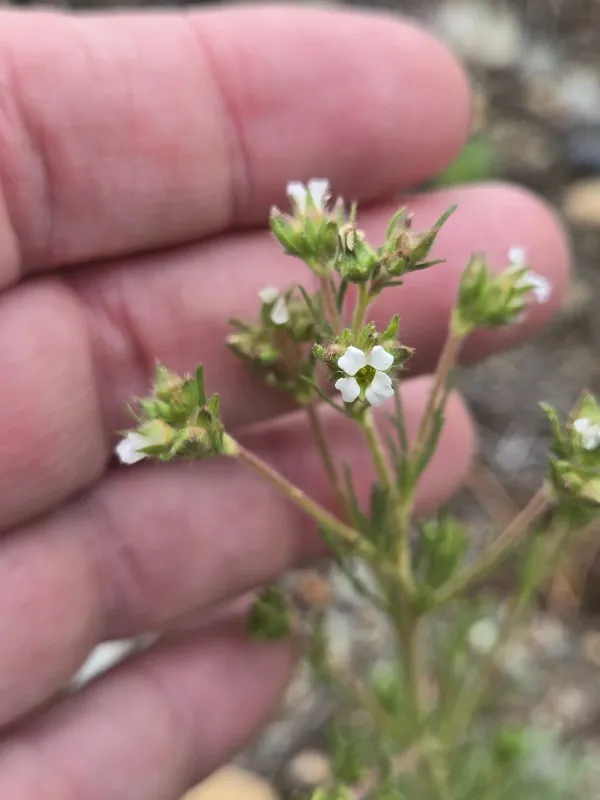
Description
Growing requirements
Chamaerhodos erecta is a herbaceous perennial plant that belongs to the Rosaceae family. It is typically found in arid and semi-arid environments, particularly across the steppe regions of Central and Northern Asia.
The plant is biologically adapted to harsh conditions, preferring well-drained, sandy, or rocky soils. It thrives in soils with low nutrient content where competition from more aggressive vegetation is minimal.
Light exposure is a critical factor for the growth of this species. It requires full sunlight to maintain its structural integrity and reproductive capacity, as it cannot tolerate competition from taller vegetation or shade.
Regarding climate, the plant is highly resistant to drought and extreme temperature fluctuations. Its morphology, featuring fine leaves and a sturdy taproot, allows it to optimize water uptake and minimize transpiration losses.
Economically, the plant is primarily researched for its medicinal properties and its potential utility in revegetating dry, degraded landscapes. While not a conventional crop, its unique adaptation traits make it a subject of interest for specialized ecological restoration projects.