
Arnold hawthorn
Crataegus arnoldiana
Description
Sowing dates
Arnold hawthorn is primarily propagated via seeds or vegetative methods, including grafting and stem cuttings. Sowing seeds in late autumn is recommended, as they require a long period of natural stratification to ensure successful germination in the spring.
For spring sowing, seeds must be artificially stratified for 3–4 months at temperatures ranging from 0 to 5 degrees Celsius. The best time to transplant young trees into the open ground is early spring before bud break or late autumn during leaf fall.
Select a sunny, well-draining location for planting. Ensure a spacing of at least 2–3 meters between individual trees, as this species can develop a wide canopy and a robust root system over time.
Prepare planting holes with a nutrient-rich mixture of topsoil, organic compost, and some sand. When planting, the root collar should be placed 3–5 centimeters below the soil level to encourage better root establishment.
Young saplings require regular watering throughout their first season to survive dry spells and ensure strong initial growth in the permanent garden spot.
Growing requirements
This species is highly cold-hardy, making it an excellent choice for various climates. Arnold hawthorn is known for its resilience and ability to withstand harsh environmental conditions.
Arnold hawthorn prefers fertile, moderately moist soils with a neutral or slightly alkaline pH. Heavy clay soils should be amended with sand or organic matter to improve drainage and aeration.
While the tree thrives in full sun, it can tolerate partial shade, though fruit production is usually higher in sunnier positions. It does not tolerate waterlogged soil, so proper drainage is crucial.
Agrotechnical care involves regular weeding and loosening of the soil surface around the trunk. Annual pruning in early spring is necessary to remove dead branches and maintain an open canopy structure.
Fertilizing with balanced mineral fertilizers should be done twice a year: nitrogen-based in the spring and potassium-phosphorus blends during the blooming stage to support fruit development.
Yield
Arnold hawthorn is valued as a productive fruit-bearing crop. The fruits ripen relatively early, typically by late August, which sets it apart from many other species in the genus.
The berries are large, round, and bright red, featuring a pleasant, slightly mealy flesh. A mature, healthy tree can provide a bountiful harvest every season with minimal intervention.
The fruits are highly versatile and used for making jams, jellies, preserves, and fruit leathers. Dried berries are also commonly utilized in herbal tea blends for their traditional medicinal properties.
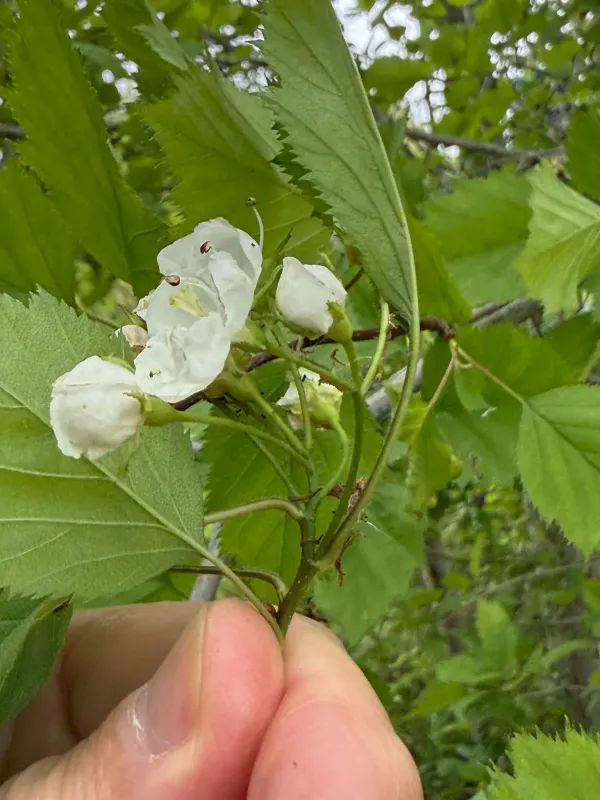
Beyond its culinary utility, the tree is a significant ornamental addition to the landscape. It boasts abundant white flowers in the spring and vibrant orange-to-purple foliage during the autumn months.
Consistent care, including proper structural pruning and adequate watering, ensures a reliable annual yield, making this species a favorite for homestead and orchard growers alike.
Main diseases and pests
The tree is susceptible to common Rosaceae family diseases, including powdery mildew and leaf rust. Removing and disposing of fallen foliage is a key preventive measure against fungal outbreaks.
Pests such as aphids, leaf rollers, and hawthorn weevils can cause significant damage to the foliage and developing buds, potentially reducing overall crop quality and tree vigor.
Effective pest management involves integrated approaches, such as using horticultural oils or insecticides, preferably applied before the trees fully bloom to protect pollinators.
- Perform seasonal inspections for insect infestations.
- Use fungicide treatments during humid, rainy seasons.
- Maintain good garden hygiene by pruning affected branches promptly.
Always monitor the overall health of the tree, as healthy, well-nourished plants are generally more resistant to minor pest attacks and environmental stressors.
Harvesting
Harvesting should occur once the berries reach their full maturity, indicated by a deep red color and softened texture. It is important to harvest before the fruit begins to drop naturally from the branches.
Given that the branches often bear sharp thorns, gardeners should wear thick, protective gloves to avoid injuries while picking the berries from the canopy.
Collect the fruit in dry conditions to prevent mold growth during storage. Sort through the yield immediately, discarding any damaged or bruised specimens to keep the rest fresh.
Freshly harvested hawthorn berries have a limited shelf life. For best quality, they should be processed or frozen within a day or two of picking to maintain their nutritional profile.
When transporting the harvest, use shallow crates to avoid crushing the berries. Proper handling preserves the integrity of the fruit until it can be turned into preserves or other culinary goods.