
Goatsbeard
Aruncus dioicus (Walter) Fernald
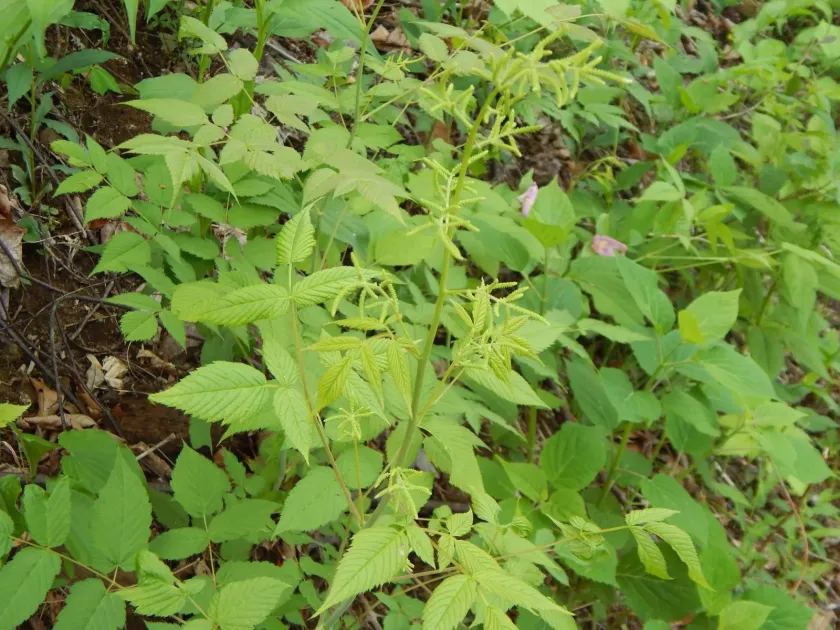
Description
Sowing dates
Goatsbeard is primarily propagated by dividing mature clumps. The ideal time for this task is early spring, just as the buds begin to swell, or early autumn, which allows the root system to establish before the ground freezes.
Seed propagation is possible but less common due to the need for cold stratification. Seeds should be sown in late autumn in a cold frame or outdoor beds to mimic natural winter temperatures required for germination.
When dividing the plant, ensure each segment has a healthy section of the root system and at least several visible buds. Proper division is key to rapid recovery and vigorous growth during the first growing season after transplanting.
Planting depth should match the level at which the plant grew previously. Space individual plants at least 60 to 90 centimeters apart, as this perennial eventually forms a large, impressive clump that requires sufficient airflow.
After planting, water the area thoroughly and apply a layer of organic mulch. This helps retain soil moisture and prevents weeds from competing with the young plant during its critical first weeks in the new location.
Growing requirements
Aruncus dioicus, a member of the Rosaceae family, is a stately perennial native to temperate regions of the Northern Hemisphere. It thrives in woodland settings, reflecting its preference for moist, sheltered environments.
The plant requires deep, fertile, and moisture-retentive soil. Loamy soils rich in humus are ideal, as they provide the necessary nutrients while ensuring consistent hydration without allowing the roots to become waterlogged.
Goatsbeard is famously shade-tolerant and actually performs best in partial shade. While it can tolerate more sun if the soil remains consistently moist, intense midday sun often leads to leaf scorch and reduced overall plant health.
The species is exceptionally winter-hardy and requires minimal protection in standard temperate climates. In areas with extremely harsh, snowless winters, adding a layer of protective mulch around the base is a beneficial precaution.
Consistent care during the growing season is essential. Regular watering is mandatory during dry spells, and a balanced application of fertilizer in early spring supports the production of its signature large, feathery inflorescences.
Yield
The primary use of Goatsbeard is in ornamental horticulture. Its architectural form, featuring deep green foliage and plumes of creamy-white flowers, makes it an excellent choice for shade gardens, woodland borders, and large landscape designs.
Because of its size and visual impact, it is frequently used as a specimen plant. It serves as a strong focal point in a perennial garden, providing structure and height throughout the summer months when many other plants finish blooming.
The flower plumes are highly valued in floral arrangements. They provide a delicate, frothy texture that complements bolder blossoms, and if cut at the right stage, they last well in water, adding elegance to bouquets.
In addition to its beauty, Goatsbeard is known for being low-maintenance once established. It can thrive in the same location for over a decade, reducing the need for constant garden labor and frequent plant replacements.
Its robust nature and ability to tolerate diverse shade conditions make it a staple in ecological gardening and sustainable landscape management, where it supports local biodiversity while requiring minimal chemical inputs.
Main diseases and pests
Goatsbeard is remarkably resistant to serious pests and diseases. Its primary threats are typically environmental, specifically those related to improper soil moisture, which can lead to root rot or secondary fungal infections.
Occasional infestations of aphids or spider mites may occur during periods of prolonged drought. Monitoring the foliage and using a gentle stream of water or insecticidal soap is usually sufficient to manage these minor pest issues.
Leaf spot diseases can appear if the plant is grown in conditions with poor air circulation or consistently wet foliage. Pruning back the foliage after a frost and ensuring adequate spacing are effective preventive measures against these issues.
If fungal issues persist, ensure the soil has proper drainage characteristics. Adding organic matter to heavy soils often fixes the underlying issues that invite pathogens into the garden bed, leading to a healthier plant.
Regular inspection of the plant's crown during the spring and summer allows for early detection of any health problems. By maintaining a clean growing space and removing debris, you provide the best possible environment for this hardy perennial.