
Aronia mitschurinii
Aronia x mitschurinii A. K. Skvortsov & Maitul.
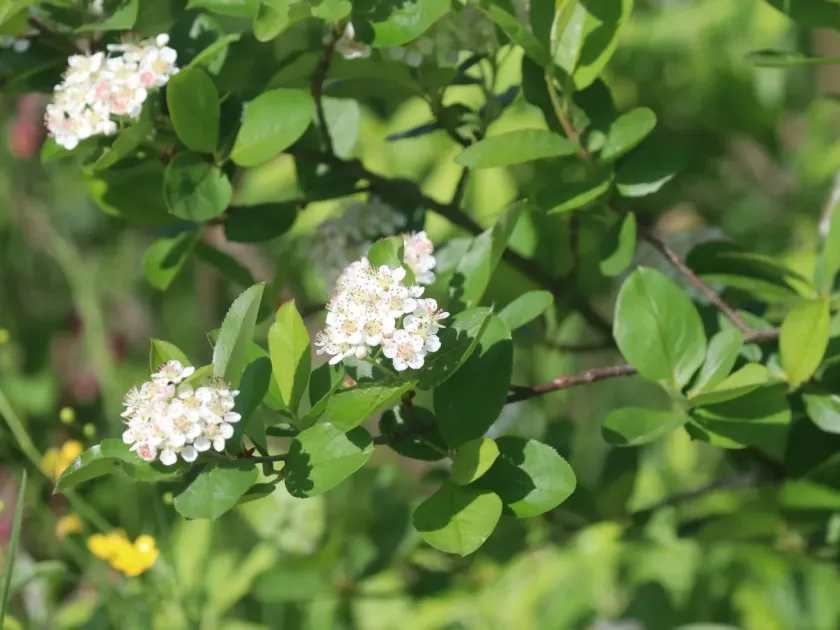
Description
Sowing dates
Propagation of Aronia mitschurinii is primarily achieved through vegetative methods, as it is a hybrid cultivar that does not reliably grow true from seeds.
Cuttings (both softwood and hardwood) and suckers are the most efficient ways to establish new plants while maintaining the desired genetic characteristics.
Planting is best performed in the autumn, allowing the root system to establish itself before the ground freezes, or in early spring before bud break.
Proper spacing is essential; the bushes should be planted at least 2.5 to 3 meters apart to accommodate their extensive root systems and mature canopy width.
When planting, ensure the crown of the plant is at soil level; avoid burying the stem too deeply to prevent rot and encourage healthy branching from the base.
Growing requirements
Belonging to the Rosaceae family, Aronia mitschurinii is a hardy shrub known for its exceptional resistance to cold and a wide range of soil conditions.
The plant thrives in full sun; while it can tolerate partial shade, fruit production and sugar content are significantly higher when the plant receives ample direct sunlight.
It prefers deep, moist, but well-drained loamy soils. It is quite tolerant of acidic soils but should be protected from overly alkaline or waterlogged sites.
Adequate water supply is crucial, especially during the fruit development stage, as the shallow root system makes it susceptible to drought stress in hot summers.
Pruning is vital for long-term health. Over time, the bush should be thinned to keep a mixture of branches of different ages, which helps maintain high yields.
Yield
Plants generally begin to bear fruit in their third or fourth year, reaching full production capacity as they mature into established, multi-stemmed shrubs.
A well-maintained, mature Aronia mitschurinii shrub can yield between 5 and 10 kilograms of high-quality berries per season, depending on the cultivar and local climate.
The berries are highly prized for their high concentration of antioxidants, polyphenols, and vitamins, making them a popular choice for juices, wines, and jams.
In addition to food production, the fruit is increasingly used in the nutraceutical industry due to its potential health benefits and natural pigmentation.
Consistent annual fertilization, particularly with potassium and phosphorus, helps support the heavy fruit load and improves the overall resilience of the shrub.
Main diseases and pests
Aronia mitschurinii is remarkably disease-resistant, but it can still be affected by fungal issues like leaf spot or powdery mildew in humid, stagnant air.
Common pests include aphids, spider mites, and sawflies, which may attack the leaves and tender new shoots during the spring and early summer growing period.
Integrated pest management strategies, such as maintaining air circulation through proper pruning, are often sufficient to keep these problems under control.
If chemical intervention becomes necessary, treatments should be applied well before flowering to ensure pollinator safety and to comply with organic standards.
Regular sanitation, such as removing fallen leaves at the end of the season, reduces the overwintering habitat for various pathogens and insect larvae.
Harvesting
Harvesting usually occurs in late summer or early autumn once the berries turn a deep, glossy black and have lost some of their astringency.
The fruit ripens in clusters, which facilitates an easy harvest; the clusters can be picked by hand or snipped off with shears to maintain plant integrity.
Berries should be harvested in dry weather to prolong their shelf life; once picked, they are quite durable but should be kept in a cool, ventilated place.
Birds are a significant threat to the crop as it ripens, so protective netting is often necessary to ensure maximum yield in regions with high bird pressure.
Post-harvest processing should be prompt to preserve the delicate vitamin content and prevent fermentation or mold growth in the harvested fruit clusters.