
Black Chokeberry
Aronia melanocarpa (Michx.) Elliott
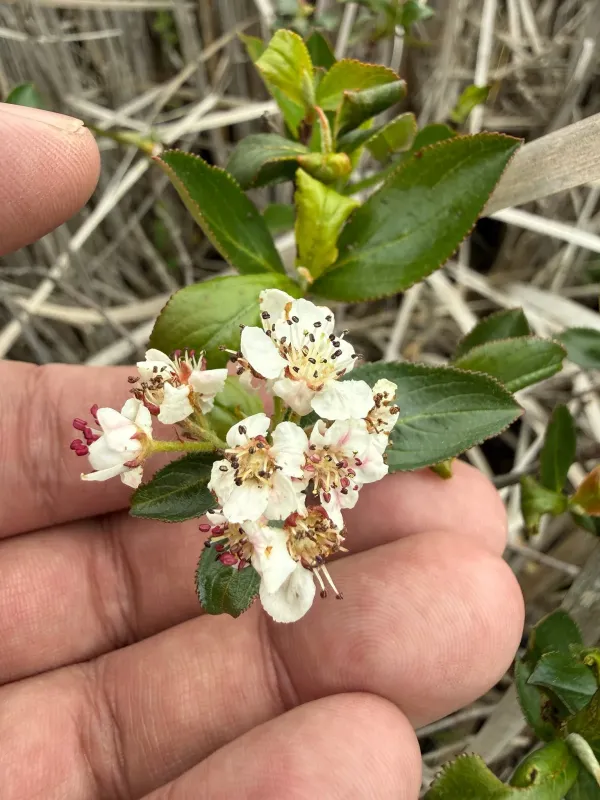
Description
Growing requirements
Black Chokeberry (Aronia melanocarpa) belongs to the Rosaceae family and is a robust shrub native to North America, widely naturalized in temperate zones.
The plant thrives in a variety of soil types, ranging from sandy to heavy clay, provided they have adequate moisture retention and drainage.
It prefers full sun exposure to maximize fruit production and improve the chemical composition of the berries, which are rich in antioxidants.
Climatically, it is extremely hardy and capable of tolerating temperatures well below freezing without needing specialized winter protection.
Proper spacing is crucial when establishing a new plantation, allowing for sufficient airflow to reduce the risk of fungal infections and facilitate maintenance.
Yield
Black Chokeberry is known for its productivity, often providing a reliable harvest for many years once the shrubs become established.
Berries are clustered in bunches, making them easy to pick during the harvest season in late summer and early autumn.
Average yield depends on the age of the bush, with mature plants capable of producing several kilograms of fruit per growing season.
Commercial growers use specific pruning techniques to encourage lateral growth, which increases the number of fruit-bearing spurs.
The crop is highly valued for its versatility in the food industry, including the production of juices, wines, jellies, and dietary supplements.
Main diseases and pests
Although generally hardy, Black Chokeberry can be susceptible to pests such as aphids and leaf-eating beetles that affect overall plant vigor.
Fungal diseases like leaf spot and blight can emerge in poorly ventilated areas or under conditions of high humidity.
Integrated pest management, including regular inspection and the use of eco-friendly sprays, is recommended to keep the shrubs healthy.
Birds can pose a significant threat to the ripening crop; therefore, netting is often used in smaller gardens to protect the yield.
Maintaining a clean cultivation area by removing fallen leaves and debris reduces the overwintering population of common pests and pathogens.
Harvesting
Harvesting usually occurs when the berries are fully dark, glossy, and firm, which typically happens in September or early October.
The fruit clusters should be picked carefully, ensuring that the fruit-bearing branches are not damaged for the upcoming season.
Post-harvest handling is straightforward, as the tough skin of the berries makes them less prone to bruising during transportation.
If not processed immediately, the berries can be stored in cool conditions for several days without significant degradation in quality.
Processing the fruit into frozen blocks or dried forms allows growers to manage market supply and retain the nutritional value of the harvest.