
Red chokeberry
Aronia arbutifolia (L.) Pers.
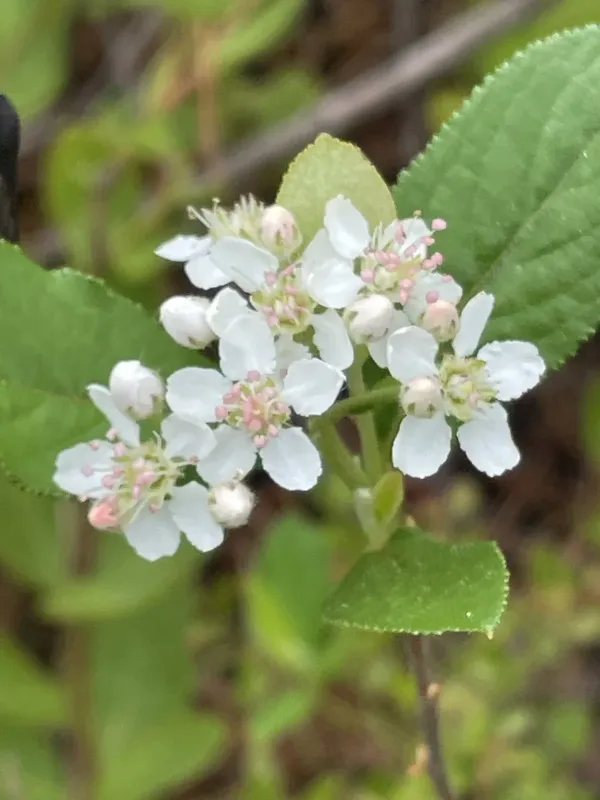
Description
Growing requirements
Red chokeberry (Aronia arbutifolia) is a deciduous shrub belonging to the Rosaceae family. It is widely recognized for its high adaptability and ornamental value, as well as its nutritional properties.
Native to eastern North America, this plant typically thrives in wetlands and forest edges. It is a hardy species that can tolerate various soil types, ranging from moist organic soils to slightly drier, sandy substrates.
The ideal planting location for Aronia arbutifolia should provide full sun to partial shade. While it is tolerant of temporary waterlogging, well-draining soil is preferred for optimal growth and maximum fruit production.
Maintenance involves regular mulching to retain moisture and suppress weeds. Although it is a low-maintenance plant, pruning dead wood and thinning out old branches every few years encourages healthy regrowth.
The shrub is highly winter-hardy and requires little protection against frost. Its robust nature makes it an excellent candidate for both commercial berry production and ecological landscaping projects.
Yield
The primary economic use of red chokeberry is the production of its characteristic bright red fruits. These berries are rich in antioxidants, specifically anthocyanins, which are highly valued in the food and supplement industries.
The fruits have a distinctively tart and astringent flavor, making them ideal for processing into jellies, juices, and syrups. Their high pectin content makes them a natural choice for creating thick jams without extra additives.
In mature plants, yields can be quite substantial, provided the shrub receives adequate light and moisture. Regular pruning helps to maintain a manageable bush size while ensuring consistent annual fruit set.
Beyond its culinary utility, Aronia arbutifolia is a star in autumn landscapes. The foliage turns a brilliant red color, and the remaining berries provide a visual accent that lasts well into the winter months.
Landscaping applications include the creation of dense shrub borders and hedges. The plant’s ability to thrive in poor soil conditions allows it to be used for soil stabilization on slopes or in low-lying areas.
Main diseases and pests
Red chokeberry is generally resistant to most pests, but it can occasionally be affected by powdery mildew or leaf spot diseases. Ensuring good air circulation through proper pruning is the best preventive measure.
Aphids are the most common insect pests encountered during the growing season. Early detection and treatment with insecticidal soap or biological controls are usually sufficient to manage the population effectively.
Iron chlorosis can occur if the soil pH is too high, leading to yellowing leaves. To prevent this, maintaining an acidic soil environment and applying iron-chelated fertilizers are recommended if symptoms appear.
Root health is crucial for the longevity of the plant. Avoiding compacted soil and ensuring that the area around the roots does not become waterlogged helps to prevent root rot, which is a major threat to its survival.
Integrated pest management (IPM) practices, such as choosing healthy planting stock and monitoring for early signs of disease, are key to maintaining a productive and healthy stand of shrubs.
Harvesting
Harvesting red chokeberry typically occurs in late autumn when the fruit has reached full maturity. The berries should be harvested when they are a deep, bright red color for the best flavor profile.
The fruits are harvested in clusters, which allows for efficient picking. The sturdy nature of the fruit makes it suitable for either manual picking or small-scale mechanical harvesting, depending on the scale of the operation.
Post-harvest handling is critical to preserve the quality of the berries. They should be kept in a cool, ventilated place and processed as soon as possible to prevent spoilage and maintain their nutritional value.
Methods for long-term storage include freezing the fresh berries or drying them. Dried chokeberries retain many of their health benefits and can be reconstituted for use in baking or teas throughout the year.
Proper sorting to remove debris and damaged fruits is necessary before storage. This ensures that the bulk of the harvest remains stable and free from mold growth, extending the shelf life of the final product.