
Microrhamnus ericoides
Microrhamnus ericoides
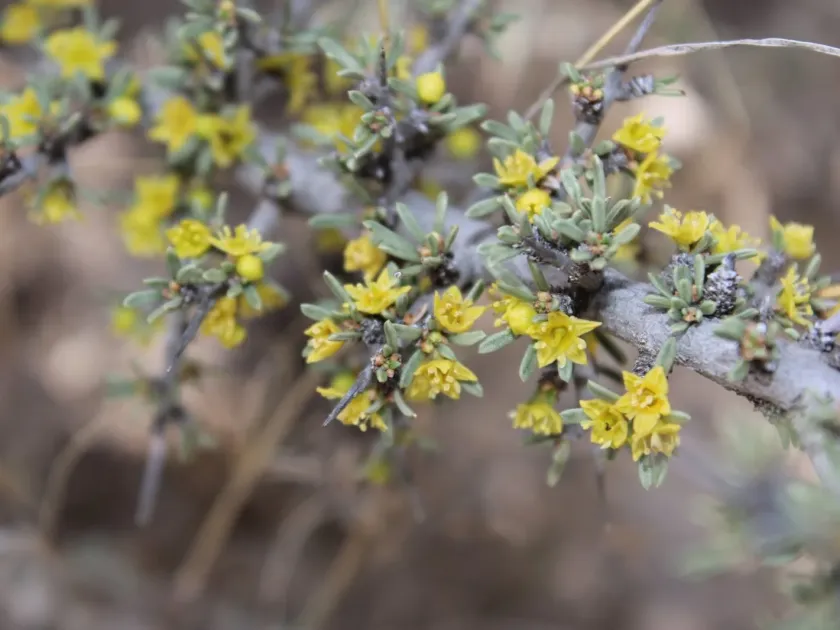
Description
Growing requirements
Microrhamnus ericoides is a resilient shrub belonging to the Rhamnaceae family. Known for its distinct ericoid-like foliage, this species is highly adapted to the arid environments of the Southwestern United States and Northern Mexico.
The plant originates from rocky limestone slopes and desert scrublands. Its evolutionary success depends on its ability to withstand intense heat and prolonged water scarcity, which characterizes its native habitat.
Botanically, this shrub is recognized for its dense branching habit and small, narrow, evergreen leaves. It rarely exceeds a meter in height, making it an ideal candidate for low-maintenance landscaping and erosion control.
Soil requirements for optimal growth include exceptional drainage and a preference for alkaline substrate conditions. It is essential to avoid sites prone to waterlogging, as the species is highly sensitive to root asphyxiation.
Cultivation of this plant is primarily focused on xeriscaping, where its structural beauty and extreme drought tolerance are highly valued. It performs best under full sun exposure, requiring little to no supplemental irrigation once established.
Main diseases and pests
The primary threat to the health of Microrhamnus ericoides is root rot caused by poor soil drainage. Excessive moisture in the root zone quickly leads to fungal decline, which is often fatal to the shrub.
Pest pressure is relatively low but includes aphids, which can infest the tender tips of new growth during the spring season. Integrated pest management should focus on early detection and physical removal where possible.
Powdery mildew can occur if the plant is grown in areas with high humidity or poor air circulation. Thinning the canopy can improve airflow and mitigate the conditions favored by these fungal pathogens.
Spider mites are another potential concern, especially during extended periods of high heat and low humidity. Periodic inspection of the undersides of the leaves is recommended to prevent significant foliage damage.
To maintain long-term vigor, avoid heavy fertilizer applications, particularly nitrogen-rich blends, as these promote succulent growth susceptible to insect infestation and physical stress during drought periods.