
Wavy cloak fern
Notholaena sinuata
Description
Growing requirements
The wavy cloak fern (Notholaena sinuata) is a perennial member of the Pteridaceae family. It is a specialized xerophytic fern that thrives in arid and semi-arid environments, naturally occurring on rocky cliffs and limestone outcrops throughout the Americas.
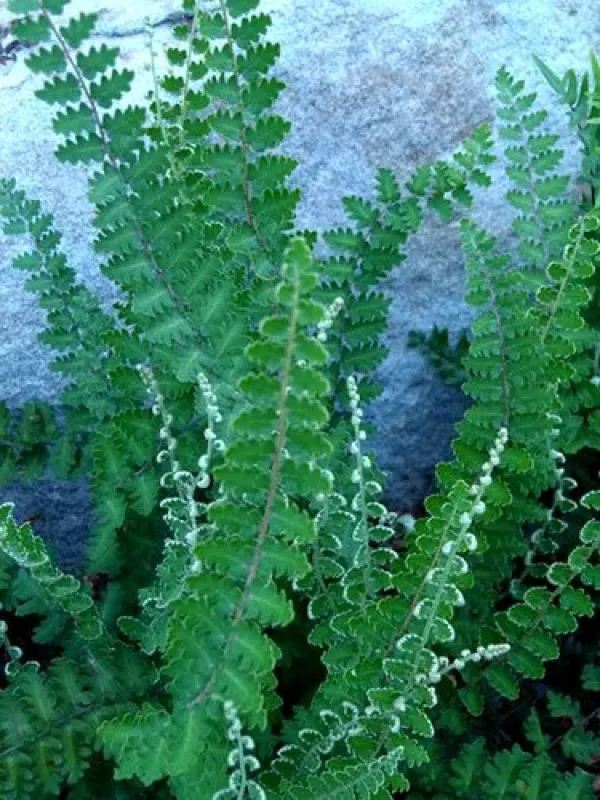
Botanically, the plant is distinguished by its pinnate fronds covered in dense scales or hairs on the underside. These structures act as a micro-barrier against moisture loss, allowing the plant to withstand significant periods of drought compared to tropical fern species.
Cultivation requires a well-draining, gritty soil mix. It is essential to replicate the rocky habitat by providing a substrate high in mineral content, such as sand, gravel, or decomposed rock, which prevents moisture retention around the rhizome.
In terms of climate, the wavy cloak fern prefers bright, indirect light. While it is accustomed to harsh conditions, extreme direct midday sun can scorch the fronds. Adequate ventilation is crucial to mimic the natural breezes of its native rocky habitats.
This species is primarily utilized in xeriscaping, specialized botanical collections, and as a unique specimen for rock gardens. It is appreciated by enthusiasts for its structural beauty and its ability to maintain growth in low-water landscapes.
Main diseases and pests
The most common health issues for Notholaena sinuata arise from improper irrigation. Root rot, triggered by waterlogged conditions or poor drainage, is the leading cause of plant mortality in greenhouse environments.
Common pests include mealybugs and scale insects, which often lodge themselves in the crevices of the fronds or near the base of the plant. Monitoring and manual removal, followed by soap or horticultural oil application, are usually effective management practices.
Spider mites represent a threat during periods of low humidity or high temperatures. These pests feed on the foliage, leading to yellowing or stunted frond development. Increasing ambient moisture slightly can deter infestation.
Fungal leaf spots can occur if the humidity remains too high and the air remains stagnant. Ensuring proper spacing and keeping the fronds dry during the evening hours are essential prophylactic measures against these pathogens.
Proper sanitation, including the prompt removal of dead or decaying fronds, is vital to prevent the spread of fungal spores. Maintaining a clean growing environment significantly reduces the need for chemical intervention.