
Wavy cloak fern
Astrolepis sinuata
Description
Growing requirements
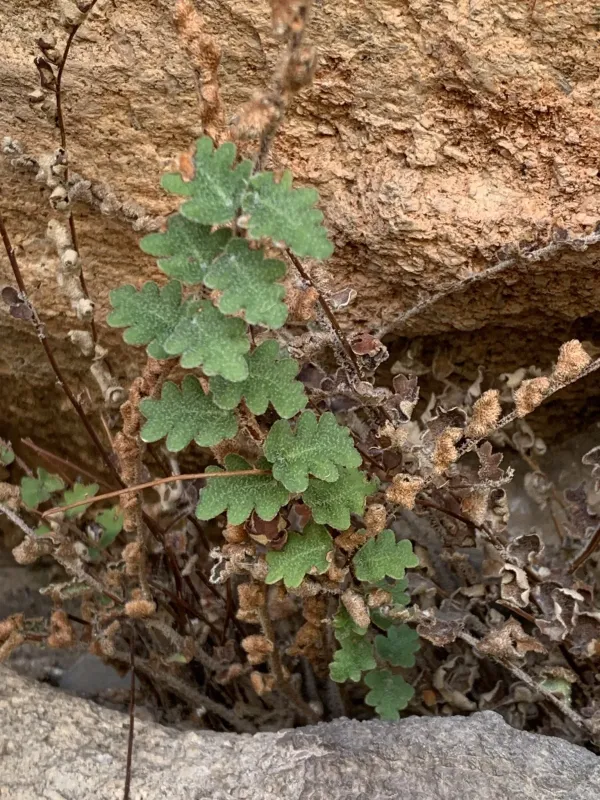
Astrolepis sinuata, commonly known as the wavy cloak fern, is a member of the Pteridaceae family, native to the arid and rocky regions of the Americas.
This species is highly adapted to extreme environmental conditions, characterized by its ability to undergo desiccation and recover when moisture becomes available.
In terms of cultivation, the plant requires a fast-draining substrate, often incorporating coarse sand or limestone chips to mimic its native crevice habitat.
Unlike many other ferns, Astrolepis sinuata thrives in high light conditions and can tolerate direct sun, provided it has acclimated properly to the light intensity.
The watering regime must be strictly controlled; the soil should be allowed to dry out significantly, mimicking the drought cycles of its natural environment to prevent root decay.
Main diseases and pests
The most common threat to this fern is root rot caused by poor soil aeration or an overly moist environment, which the plant cannot physiologically process.
Pests such as spider mites are particularly problematic during the hotter months when humidity levels drop, creating favorable conditions for their reproduction.
Mealybugs can also infest the fern, settling beneath the dense scales of the leaves, making early detection and manual control somewhat challenging.
Fungal infections can develop on the foliage if stagnant water remains on the fronds, leading to necrotic spots and potential loss of the affected leaves.
Integrated pest management, including regular inspection of the fronds and optimizing airflow in the cultivation area, is essential for maintaining plant health.