
Polypodiodes formosana
Polypodiodes formosana
Description
Growing requirements
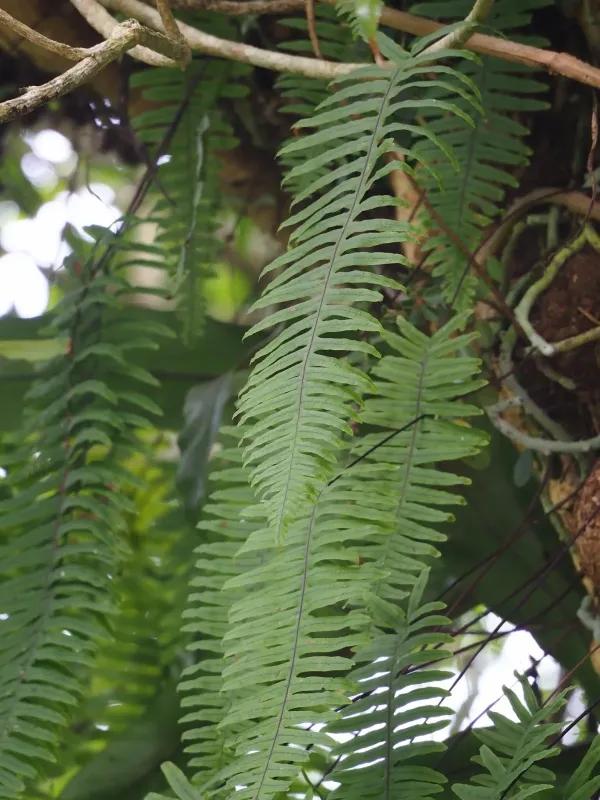
Polypodiodes formosana is an attractive fern species belonging to the family Polypodiaceae. Known for its distinct rhizomatous growth habit, this plant is frequently used as an ornamental species in greenhouses and indoor plant collections due to its elegant, leathery fronds.
Native to Taiwan and neighboring Asian regions, this fern thrives in moist forest environments. In the wild, it often grows as an epiphyte on trees or on rocky substrates, which explains its need for specific growing conditions and a porous planting medium in artificial environments.
When cultivating this species, it is crucial to provide a well-draining soil mix rich in organic matter. A blend of peat, orchid bark, and sphagnum moss is recommended to ensure the roots receive adequate aeration while maintaining the necessary humidity levels.
The plant performs best under bright, indirect light conditions. Direct sunlight can scorch the fronds and degrade the aesthetic quality of the foliage. Maintaining a stable temperature between 15°C and 25°C is essential for optimal growth and year-round health.
Humidity management is a key aspect of its care. If the ambient air is too dry, it is advisable to use a humidifier or regular misting to mimic the plant's native habitat. Keeping the substrate consistently moist but not waterlogged is the secret to successful growth.
Main diseases and pests
The primary pests affecting this fern are scale insects and mealybugs, which tend to hide in the axils of the fronds. Regular inspection is necessary to manage these populations, and manual removal or the application of horticultural soap is often effective for small infestations.
Fungal diseases, such as rhizome rot, occur primarily due to poor drainage and inadequate air circulation around the root zone. To mitigate these risks, ensure that the pot is well-ventilated and never allow the plant to sit in standing water, as this leads to rapid decay.