
Resurrection fern
Pleopeltis polypodioides
Description
Growing requirements
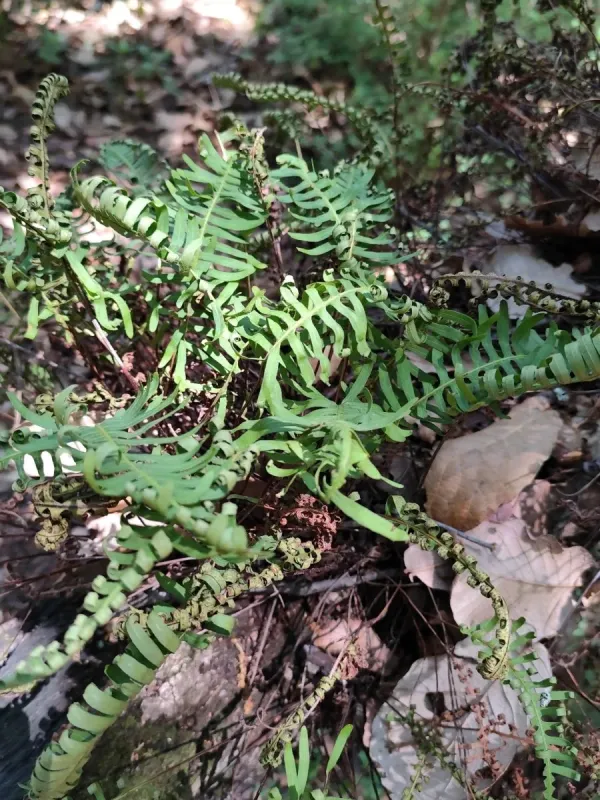
The resurrection fern (Pleopeltis polypodioides) is a fascinating member of the Polypodiaceae family. It is widely recognized as an epiphytic species, commonly found growing on the trunks and limbs of trees across the tropical and subtropical regions of the Americas.
This plant is biologically notable for its extraordinary desiccation tolerance. During prolonged droughts, the fronds curl up into tight brown balls to minimize water loss. Once moisture returns, the plant rehydrates and unfurls its green leaves within hours.
For successful cultivation, environmental conditions must mimic its natural habitat. It thrives best when mounted on wood boards, cork, or tree bark, providing excellent drainage and aeration for its creeping rhizomes, which should never remain waterlogged.
The fern requires bright, indirect light to maintain its vibrant green color. In indoor setups, maintaining high humidity levels is crucial. Regular misting with distilled or rainwater is recommended to keep the foliage hydrated and healthy.
The substrate should be minimal, consisting primarily of mosses or fibrous material that allows the roots to breathe. Frequent fertilization is unnecessary; a dilute, balanced liquid fertilizer applied during the growth season is sufficient for healthy development.
Main diseases and pests
Pathogens often affect this fern if the air circulation is inadequate. Overwatering can lead to rhizome rot, which is difficult to reverse once the decay has reached the internal tissues of the plant.
Scale insects are common pests that tend to cluster on the undersides of the fronds. Their presence is often detected by a sticky residue (honeydew), which can further attract sooty mold, damaging the plant's photosynthetic capacity.
Spider mites are another significant threat, thriving in environments where the air is excessively dry. These pests pierce the leaf cells, causing a stippled, pale appearance and ultimately leading to the shedding of the foliage.
To control these threats, growers should maintain strict hygiene. If an infestation occurs, physical removal followed by appropriate insecticidal treatments is necessary to prevent further decline.
- Ensure consistent airflow around the mounting substrate.
- Avoid heavy mineral deposits by using purified water.
- Monitor for early signs of leaf discoloration or pest activity.