
Lemmaphyllum microphyllum
Lemmaphyllum microphyllum
Description
Growing requirements
Lemmaphyllum microphyllum is a specialized epiphytic fern belonging to the Polypodiaceae family. It is native to the tropical and subtropical regions of East Asia, including Japan, Korea, and China, where it typically thrives in humid forest environments as an epiphyte or lithophyte.
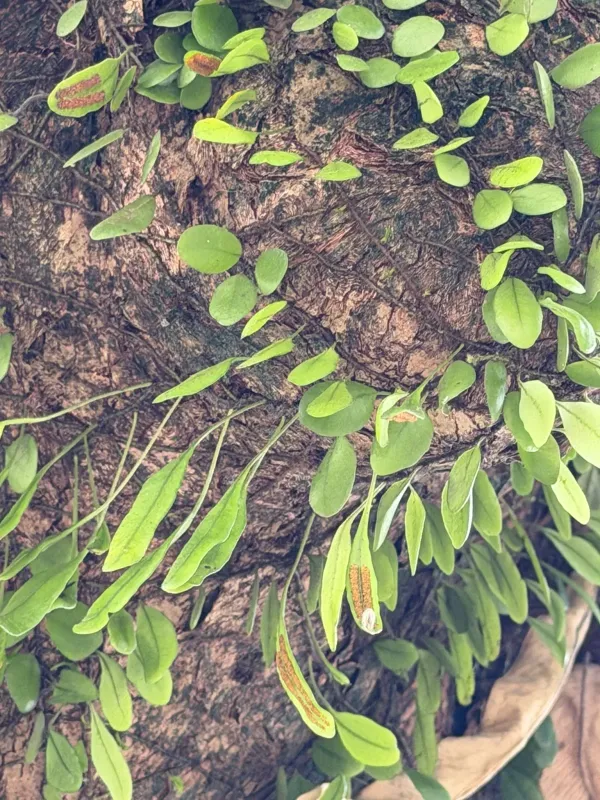
The plant exhibits a distinct morphological feature known as dimorphism. It produces two types of fronds: rounded, sterile leaves that provide photosynthetic surface area, and elongated, fertile fronds that hold the sporangia, allowing the plant to spread effectively along its substrate.
Cultural requirements involve high ambient humidity and bright, indirect light. It is sensitive to direct scorching sun, which can dehydrate the thin leaf tissues, so maintaining a stable, shaded environment is crucial for healthy development.
For cultivation, a well-draining, moisture-retentive substrate is essential. Most professional growers utilize cork bark, tree fern fiber, or specialized orchid mixes, ensuring the creeping rhizomes have adequate space to anchor themselves.
In terms of usage, Lemmaphyllum microphyllum is highly prized among terrarium and vivarium hobbyists. Its creeping habit and small size make it an excellent choice for covering backgrounds or creating naturalistic tropical landscapes in closed environments.
Main diseases and pests
Common biological threats include spider mites, which thrive in dry indoor air, and scale insects that can attach to the underside of the fronds, causing localized wilting and loss of vitality.
Poor circulation and excessive water around the rhizome often invite fungal pathogens. These infections manifest as soft rot, which can quickly compromise the structural integrity of the entire creeping stem network if not caught early.