
Bolbitis repanda
Bolbitis repanda
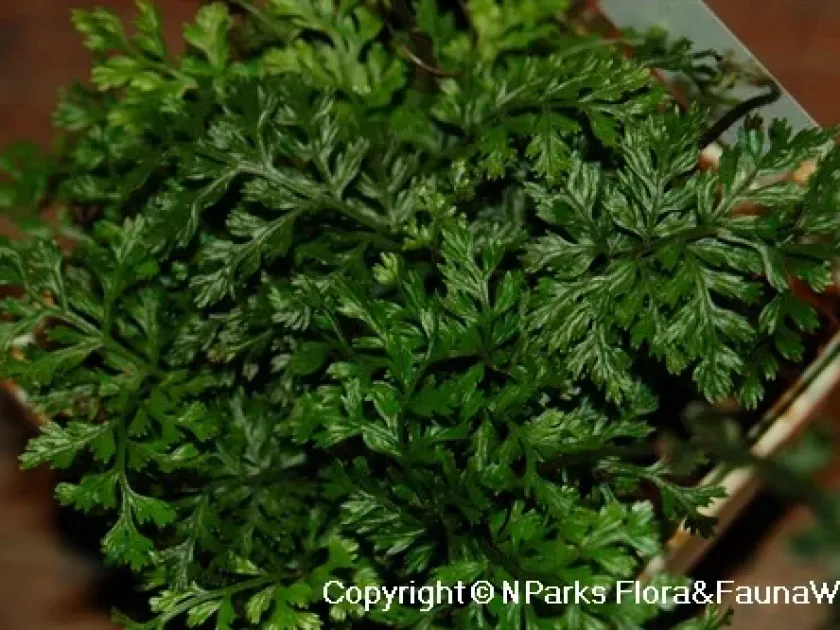
Description
Growing requirements
Bolbitis repanda is a perennial fern species belonging to the Lomariopsidaceae family. It is recognized by botanists for its unique growth pattern and aesthetic appeal, often categorized as a specialized ornamental plant in horticultural contexts rather than a conventional food crop.
The native distribution of this fern is primarily within the tropical regions of Southeast Asia. In these habitats, it thrives on the forest floor, where the ambient humidity is high and the light levels are filtered by the dense forest canopy.
The botanical structure of Bolbitis repanda consists of a creeping rhizome and pinnate fronds. This morphology allows the plant to attach itself to substrates, making it well-suited for specialized botanical collections and controlled indoor environments like terrariums.
Cultivation requirements demand a well-draining, highly porous substrate. A mix consisting of orchid bark, peat, and charcoal is often recommended to maintain the necessary structural stability while ensuring that excess water does not linger around the root system.
Environmental control is paramount, with a need for stable temperatures between 20°C and 26°C. High humidity levels are essential to prevent the fronds from curling or dehydrating, necessitating the use of misting systems or controlled environmental chambers.
Main diseases and pests
Fungal infections, specifically those leading to rhizome rot, represent the most significant threat to the survival of Bolbitis repanda. These are typically triggered by overly saturated soil conditions that inhibit root respiration.
Pests such as spider mites are prevalent when the surrounding humidity drops below optimal levels. These small arthropods suck sap from the fronds, causing chlorosis and the eventual decline of the plant if left untreated.
Disease management involves strict adherence to sterilization protocols for all tools and substrates. Early detection of browning or softening tissue allows for the removal of affected areas before the entire rhizome is compromised.
Nutrient deficiency is another common management issue. Although the plant does not require high nitrogen levels, periodic application of a balanced, dilute liquid fertilizer is necessary to maintain the deep green coloration of the foliage.
The fern is also susceptible to scale insects, which can hide in the dense texture of the leaves. Manual removal combined with biological control agents provides the safest management strategy for maintaining the health of the plant.