
Bolbitis heteroclita
Bolbitis heteroclita
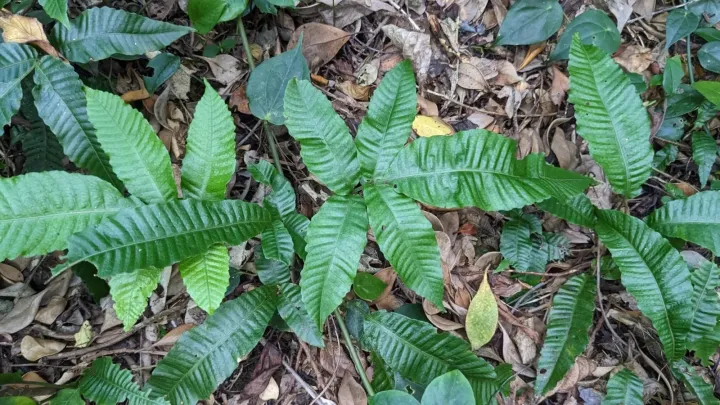
Description
Growing requirements
Bolbitis heteroclita is a member of the Lomariopsidaceae family, a group of ferns primarily found in tropical habitats. The species is native to Southeast Asia, specifically regions like the Philippines and Indonesia, where it thrives in shaded, high-humidity environments along riverbanks.
In terms of cultivation, it is highly valued as a decorative crop for indoor, paludarium, and aquarium settings. It requires a specific microclimate, characterized by consistent temperatures between 22°C and 26°C and a very high level of relative atmospheric humidity.
The soil requirements involve a loose, well-draining substrate rich in organic matter. When used in aquatic farming, it is often attached to hardscape elements like driftwood or rock, allowing the rhizome to access nutrients directly from the water column without burying it too deeply.
Lighting management is critical; Bolbitis heteroclita performs best under low to moderate light conditions. Excessive light exposure can cause leaf chlorosis or encourage the growth of unwanted algae on the foliage, which significantly diminishes the plant's decorative value.
Propagation is primarily achieved through rhizome division. Growers typically divide the mature rhizomes into segments containing at least two or three healthy fronds. These segments are then anchored to a substrate where they eventually develop a robust root system under consistent moisture levels.
Main diseases and pests
The most common threat to this culture is rhizome rot, which occurs when the plant is subjected to poor water circulation or stagnant, waterlogged soil conditions. This physiological disorder can spread rapidly, leading to the total decay of the root system within a few days.
Pest issues such as spider mites are frequently observed in drier indoor environments. Regular misting and maintaining optimal humidity levels act as natural deterrents. In professional nurseries, monitoring for scale insects is also advised to ensure the production of high-quality, pest-free plant stock.