
Bolbitis appendiculata
Bolbitis appendiculata
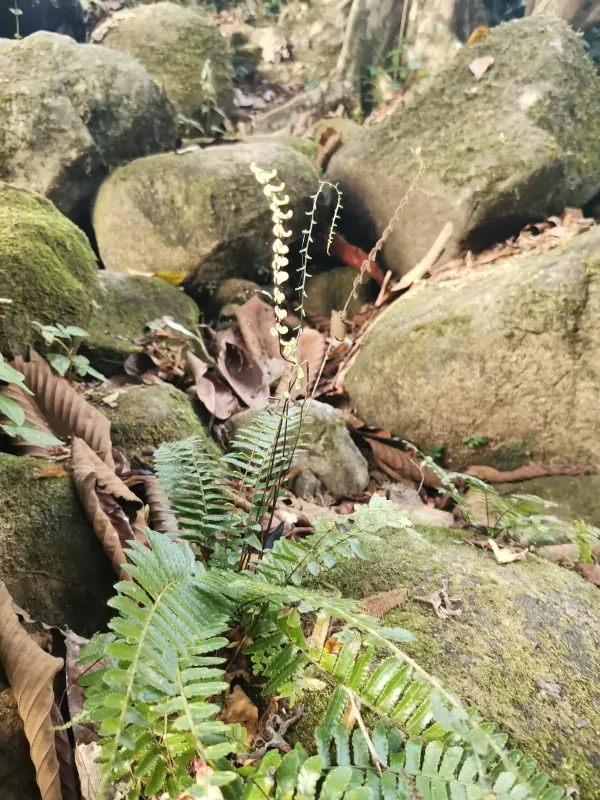
Description
Growing requirements
Bolbitis appendiculata is a distinct species of fern belonging to the Lomariopsidaceae family. Native to the humid rainforests of Southeast Asia, this plant thrives in shaded, moist environments near water bodies, where it can maintain high turgor pressure in its fronds.
Botanically, this fern is characterized by a creeping rhizome and pinnate, deep green fronds. A key feature is its reproductive strategy involving small buds that form on the leaves, allowing for easy vegetative propagation in its natural habitat and under greenhouse conditions.
To cultivate Bolbitis successfully, providing high humidity is essential. The plant performs best in terrariums or specialized greenhouse conditions where relative humidity consistently stays above 70%, mimicking its natural tropical background.
The growing medium must be well-draining, acidic, and rich in organic matter. A mixture composed of sphagnum moss, bark chips, and perlite provides an ideal balance of moisture retention and aeration required for the plant's delicate root system.
Temperature management should be consistent, ideally ranging from 18°C to 25°C. Avoid exposing the fern to sudden cold drafts or scorching sunlight, as both extremes cause rapid leaf dehydration and irreversible aesthetic damage to the foliage.
Main diseases and pests
Spider mites are the most common pests affecting Bolbitis appendiculata in indoor settings, particularly when the ambient air becomes too dry. Regular inspection and misting are critical preventive measures against mite outbreaks.
Root rot is the primary pathological threat, typically induced by waterlogged soil and poor drainage. Once established, this condition is difficult to treat, making preventative soil management the most important aspect of plant health.
Fungal leaf spot diseases can occur if water remains on the fronds for extended periods without adequate air movement. Improving ventilation around the plant canopy significantly reduces the risk of fungal infections.
Nutrient deficiency, particularly regarding iron or magnesium, can cause chlorosis, where the leaves lose their vibrant color. Providing a balanced, dilute liquid fertilizer during the growing season helps maintain plant vigor.
Scale insects may occasionally appear on the rhizomes. These should be removed manually or treated with neem oil applications, taking care not to overwhelm the sensitive fronds with excessive pesticide residues.