
Zygochloa paradoxa
Zygochloa paradoxa
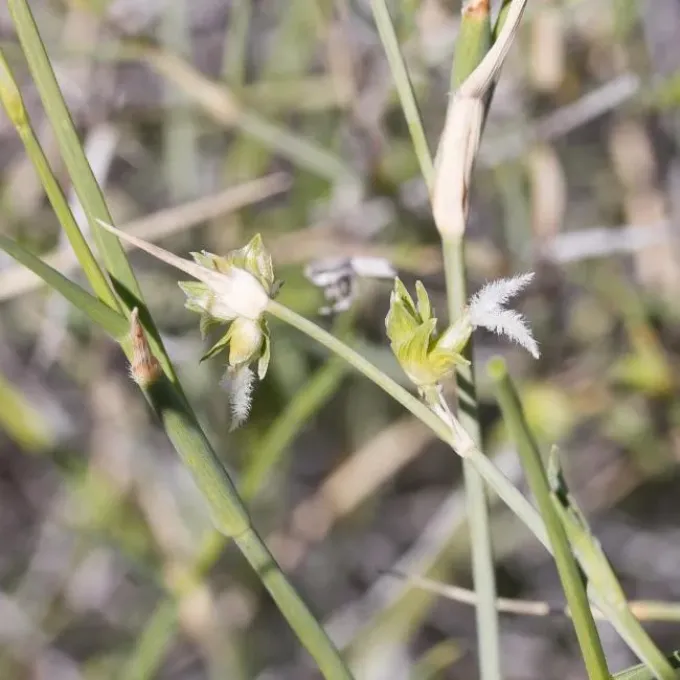
Description
Growing requirements
Zygochloa paradoxa, commonly known as sandhill cane grass, is a perennial member of the Poaceae family. It is a highly specialized species native to the arid interior of Australia.
The plant is specifically adapted to survive in sand dune environments where extreme heat and prolonged droughts are the standard climatic conditions. Its physiology allows it to thrive with very little rainfall.
Botanically, it features rigid, cane-like stems and spiny inflorescences that protect its reproductive structures from harsh environmental exposure. The plant's roots are extensive, designed to anchor the shifting sand dunes effectively.
The crop requires sandy soil with excellent drainage properties. It cannot tolerate heavy, compacted soils or poor drainage, which limits its range to specific desert landscapes where it plays a critical role in ecological stability.
Its primary agricultural and ecological use is soil conservation. By stabilizing sandy soils, it prevents desertification and wind erosion, making it an essential plant for managing arid land zones.
Main diseases and pests
The primary threat to Zygochloa paradoxa is overgrazing by livestock, which degrades the structural integrity of the dunes and leads to the exposure and desiccation of the plant’s roots.
Invasive weed species can outcompete the grass for limited soil moisture, particularly during the rare, short-lived growth periods that occur after significant rainfall events.
Fungal pathogens associated with moisture retention in the soil can lead to root and crown rot, especially if the local climate becomes unusually humid or stagnant.
Locusts and grasshoppers represent the main pest threat, as they consume the foliage and seeds, which severely hampers the plant's ability to regenerate and spread in its natural habitat.
Human activities, such as off-road vehicle traffic in desert regions, cause mechanical damage to the stands, leading to localized extinction and increased soil instability in those areas.