
Zuloagaea bulbosa
Zuloagaea bulbosa
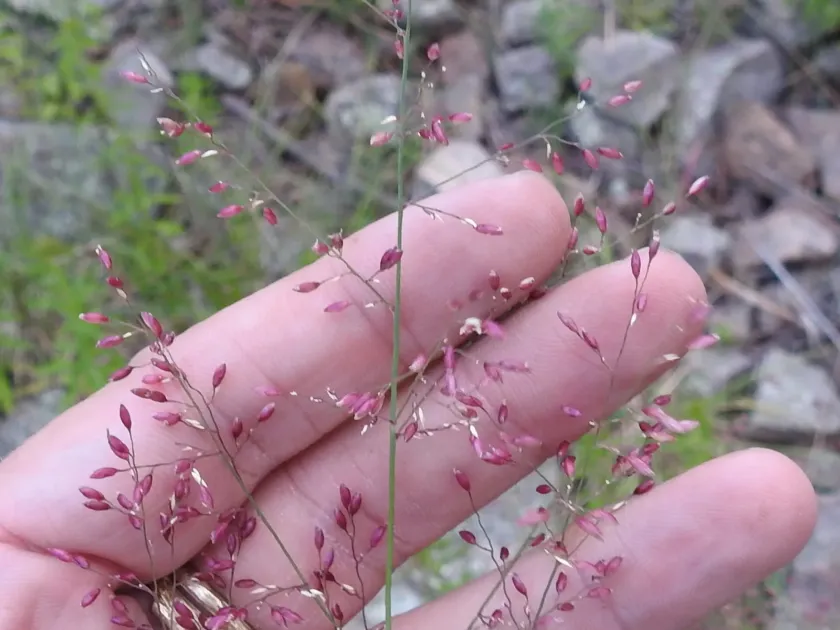
Description
Sowing dates
Sowing Zuloagaea bulbosa is best performed during the spring season when soil temperatures consistently reach 12–15 degrees Celsius. Ensuring proper seed-to-soil contact is critical for high germination rates.
The optimal planting time spans from late April to May, depending on the local climatic conditions. In southern regions, autumn sowing can be explored to utilize the moisture present in the soil for early spring emergence.
Precision drills should be utilized to achieve a uniform seeding depth, ideally between 2 and 3 centimeters. Proper depth management ensures that the seedling has sufficient energy to reach the soil surface while avoiding environmental stressors.
Post-sowing soil compaction is recommended to improve capillary moisture movement toward the seeds. This step is particularly effective in arid regions where topsoil moisture can fluctuate rapidly during the germination phase.
Weed management during the initial weeks of seedling development is essential. Because young plants grow slowly, removing competing weeds ensures that the grass has the necessary space and nutrients to establish its characteristic bulbs.
Growing requirements
Zuloagaea bulbosa is a member of the Poaceae family and is recognized for its perennial nature. It is naturally adapted to diverse habitats, demonstrating remarkable flexibility in various soil types, including rocky or poor substrates.
The plant thrives in well-drained soils, as excessive moisture can negatively impact the integrity of its bulbous root structures. Selecting locations with moderate solar exposure is recommended for optimal biomass production.
A distinctive feature of this species is its bulb-like nodes at the base, which store nutrients and moisture. This physiological trait allows the plant to withstand extended dry periods, making it a robust option for variable climates.
While adaptable, the plant performs best when soil fertility is managed through balanced nutrient application. Phosphorous and potassium inputs, in particular, support healthy root system expansion and overall resilience.
The grass is highly tolerant of temperature fluctuations. This adaptive capacity is a key reason for its successful cultivation in various geographical regions within the American continent, where it serves as a reliable agricultural asset.
Yield
The yield of Zuloagaea bulbosa is directly influenced by agronomic management and moisture availability throughout the growing season. As a perennial crop, biomass production typically stabilizes after the first year of establishment.
During the first year, the plant invests most of its energy into root development and bulb formation. From the second year onwards, producers can expect consistent harvests, provided the management of the pasture or meadow is appropriate.
The plant possesses strong regenerative capabilities, allowing it to recover quickly after mowing. This ensures that farmers can secure multiple cuts per year under favorable environmental conditions.
Its nutritional profile makes it highly suitable for livestock forage. The leaves are generally well-received by grazing animals, and when processed into hay or silage, the plant retains high feeding value.
To maximize yields, it is crucial to monitor the phenological stage of the grass. Harvesting at the late boot stage or early flowering provides the best balance between biomass volume and nutrient density.
Main diseases and pests
Like many graminoids, Zuloagaea bulbosa is susceptible to various fungal pathogens. Leaf rusts are common in humid conditions and can affect the photosynthetic capacity of the plant if not managed effectively.
Insects that target the stems or the crown area can threaten the longevity of the stand. Regular field monitoring is essential to identify potential infestations early and prevent them from spreading across the crop.
Crop rotation is the primary strategy for managing soil-borne pathogens. Integrating this grass into a wider crop rotation system helps maintain soil health and reduces the pressure from pests and diseases over time.
Balanced fertilization is vital, as over-application of nitrogen can increase susceptibility to certain diseases by weakening plant tissues. A holistic approach to plant nutrition significantly enhances natural defenses.
If chemical interventions are necessary, they must be applied according to local regulations. Prioritizing integrated pest management (IPM) strategies remains the most sustainable approach to protecting long-term crop yields.
Harvesting
The timing of the harvest is critical to maintain the nutritional quality of the forage. Cutting should ideally occur when the plant is in the boot stage to ensure a high protein content and good digestibility.
For grazing operations, rotation management is key. Allowing the plant to reach a sufficient height before grazing encourages better recovery and prevents the depletion of nutrients stored in the underground bulbs.
When preparing hay, the cut material should be spread thinly to promote rapid drying. Reaching a moisture content of 15–18 percent is the standard for stable long-term storage in bales or stacks.
Silage production involves chopping the grass into uniform lengths and compacting it well in a silo. This process facilitates the necessary fermentation for high-quality feed, even in challenging harvest conditions.
Post-harvest care involves cleaning the field of debris to prevent the overwintering of potential pests. Proper maintenance ensures that the stand remains vigorous and ready for the next growth cycle.