
Wangenheimia lima
Wangenheimia lima
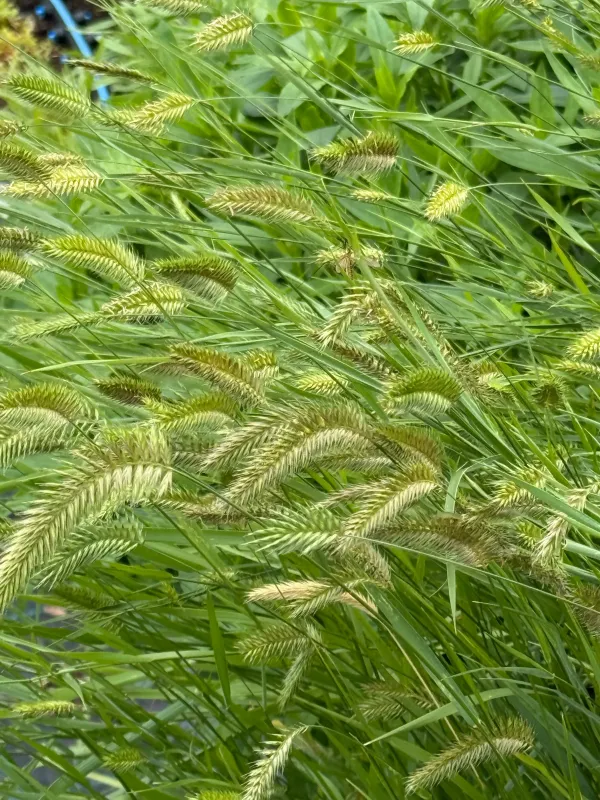
Description
Sowing dates
Wangenheimia lima is a monotypic genus of annual grasses belonging to the Poaceae family. Given its niche role, agronomic sowing practices for this species are primarily centered on research and conservation, focusing on optimal establishment during early spring.
The sowing process is best executed when soil temperatures ensure consistent germination, typically in early spring. Proper seedbed preparation is vital, involving fine tilth and soil leveling to facilitate uniform depth, which should be kept shallow.
Seed density must be calculated according to the germination rate and intended plant density to minimize intraspecific competition. As an annual species, it relies on rapid establishment to complete its vegetative and reproductive cycles successfully.
Post-sowing management includes rolling the soil to improve seed-to-soil contact, which is essential for uniform emergence in drier conditions. Irrigation should be applied if natural moisture is insufficient during the critical germination phase.
Early-stage growth is characterized by a tillering phase, where the plant develops its primary vegetative structure. Proper spacing at this stage is crucial to ensure each plant receives adequate nutrients and light to maximize development.
Growing requirements
This grass species thrives in Mediterranean-type climates, characterized by mild, wet winters and warm, dry summers. It is sensitive to extreme frosts and requires an environment that supports a moderate and steady growth pattern throughout the season.
Soil requirements for Wangenheimia lima are centered on drainage; it performs best in well-aerated, light-textured soils. It avoids waterlogged conditions, which can lead to root rot and other physiological stressors, particularly during early growth stages.
Full sun exposure is a fundamental requirement for optimal development. Shading causes etiolation, leading to weak stalks, reduced seed set, and increased susceptibility to lodging during periods of high wind or heavy rainfall.
Nutritional needs are standard for the Poaceae family but require careful management. A balanced nutrient supply focusing on potassium and phosphorus supports stalk strength, while excessive nitrogen should be avoided to prevent over-growth.
Soil pH should ideally be neutral or slightly alkaline. This range optimizes nutrient availability and promotes root system efficiency, allowing the plant to better withstand temporary water deficits during the later stages of its lifecycle.
Main diseases and pests
Fungal diseases, particularly powdery mildew and rust, represent significant threats to the crop. These pathogens proliferate in high-humidity environments and can severely affect photosynthetic leaf area if not managed properly.
Insects such as aphids and thrips are common pests that feed on the sap of young stems and developing florets. Such damage can lead to deformed growth and significant reductions in total grain or seed yield.
Weed competition is a critical challenge during the early stages of development. As a relatively slow-growing annual initially, the plant is easily outcompeted by aggressive weeds, necessitating vigilant mechanical or cultural weed control.
Lodging remains a major physical threat, particularly as the plant reaches the grain-filling stage. Environmental factors like strong winds coupled with heavy rains can flatten the crop, making harvesting difficult and increasing grain losses.
Effective management strategies include routine field monitoring and the use of integrated pest management (IPM) techniques to mitigate risks. Keeping the field free from debris and monitoring humidity levels can help reduce disease pressure significantly.