
Viviparous fescue
Festuca vivipara
Description
Growing requirements
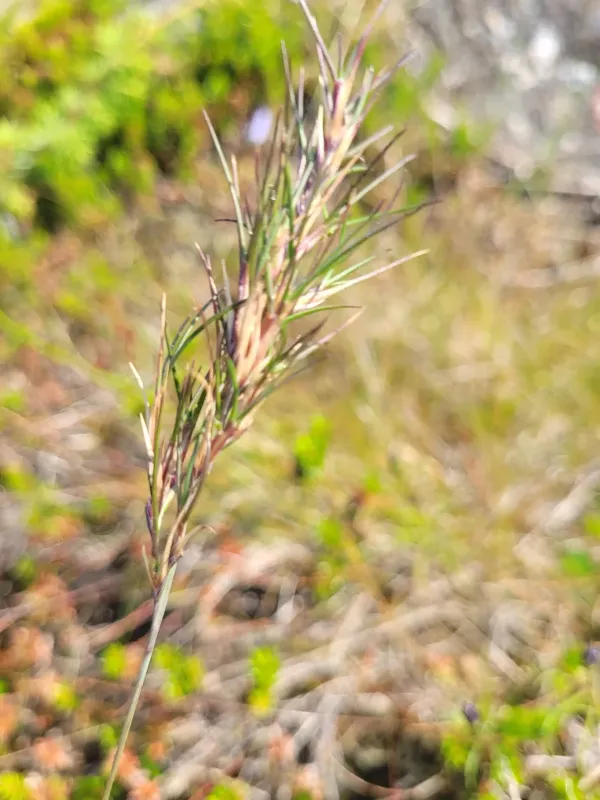
Viviparous fescue (Festuca vivipara) is a perennial grass species belonging to the Poaceae family, known for its unique evolutionary adaptation to alpine and arctic environments. The plant is characterized by the production of small plantlets within its inflorescences instead of seeds, which facilitates reproduction in harsh, cold climates.
The native range of this species extends across high-latitude and high-altitude regions, including the Arctic, the North Atlantic islands, and mountain ranges in Europe. It thrives in environments where standard seed germination would be hindered by early frosts or extremely short growing seasons.
This grass is highly adaptable to poor, stony, and acidic soils with limited nutrient availability. It excels in well-drained habitats and is typically found on mountain slopes, gravelly barrens, and tundra edges, where it creates a resilient ground cover against erosion.
Regarding cultivation requirements, the species demands plenty of sunlight and a stable environment. It is not suitable for high-fertility or waterlogged fields, as it is specialized for low-competition environments where its ability to propagate vegetatively provides a distinct survival advantage.
In terms of agricultural use, viviparous fescue is primarily valued for slope stabilization and rangeland management in mountainous regions. It serves as a reliable forage source for livestock in areas where other grasses cannot survive, ensuring grazing continuity in ecologically sensitive highland zones.
Main diseases and pests
The species is susceptible to various fungal pathogens, specifically those causing leaf spot and rust, especially during wet summer seasons. Insect pressure is generally low, though meadow grass bugs can cause localized damage to the vegetative plantlets during their early development stages.