
Water-loving paspalum
Paspalum hydrophilum
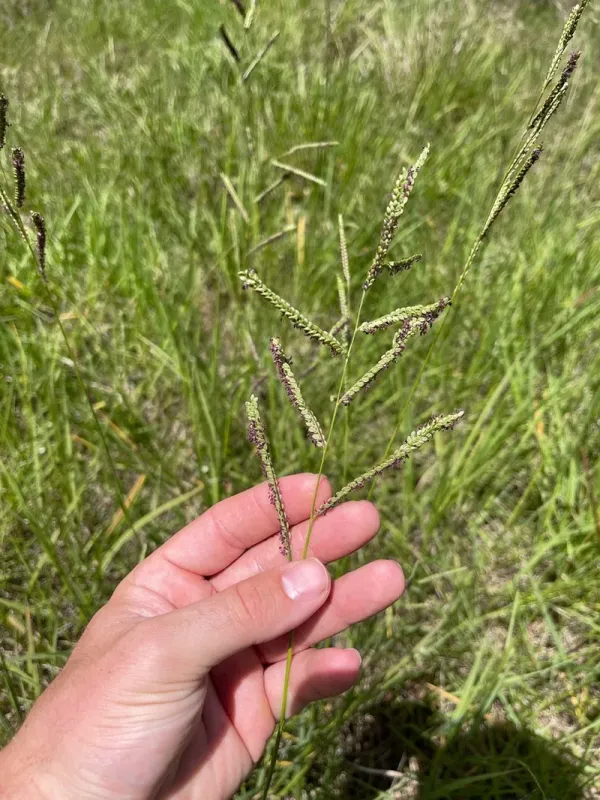
Description
Growing requirements
Paspalum hydrophilum, commonly known as water-loving paspalum, is a perennial grass species belonging to the Poaceae family. This plant is uniquely adapted to hydric soils and aquatic environments, making it a specialized species for specific agricultural niches in tropical and subtropical climates.
The native range of this species is primarily centered in South and Central America, where it thrives in wetlands, marshes, and riparian zones. Its ability to colonize areas subject to periodic flooding distinguishes it from traditional forage grasses that require well-drained soil profiles.
The plant exhibits a creeping growth habit with stems that frequently root at the nodes. This morphological feature allows for rapid clonal expansion across saturated surfaces, providing excellent soil stabilization and high biomass production in otherwise unproductive wet environments.
For optimal development, the crop requires consistent soil moisture and warm temperatures. It is notably tolerant of anaerobic soil conditions, where most other forage crops would fail due to root rot, thereby serving as a critical resource for livestock grazing in flood-prone areas.
The economic value of Paspalum hydrophilum lies in its utility as a reliable source of green forage. By converting wetlands into usable pastures, it supports sustainable agricultural practices in regions where land management is challenged by excessive water levels.
Main diseases and pests
Like many hydrophytic grasses, this species can be susceptible to various fungal pathogens, particularly rusts and leaf blights, which proliferate in the humid, stagnant air environments often associated with wetland habitats.
Pests such as leaf-eating caterpillars and certain species of planthoppers can occasionally cause localized damage to the canopy. These insects are often native to the same wetland ecosystems and are capable of rapid population growth under favorable conditions.
Integrated pest management strategies for this crop focus primarily on grazing pressure regulation. Controlled defoliation helps maintain a vigorous, healthy stand that is less prone to chronic disease outbreaks and pest infestations.
Maintaining the ecological balance of the wetland site is crucial for disease prevention. Ensuring that water quality and soil aeration levels are within the tolerance range of the plant helps sustain its natural immunity to stressors.
Monitoring the plant for early signs of infection is vital for crop health. Early identification of fungal colonies allows for timely management, protecting the overall productivity of the forage area.