
Sporobolus fertilis
Sporobolus fertilis
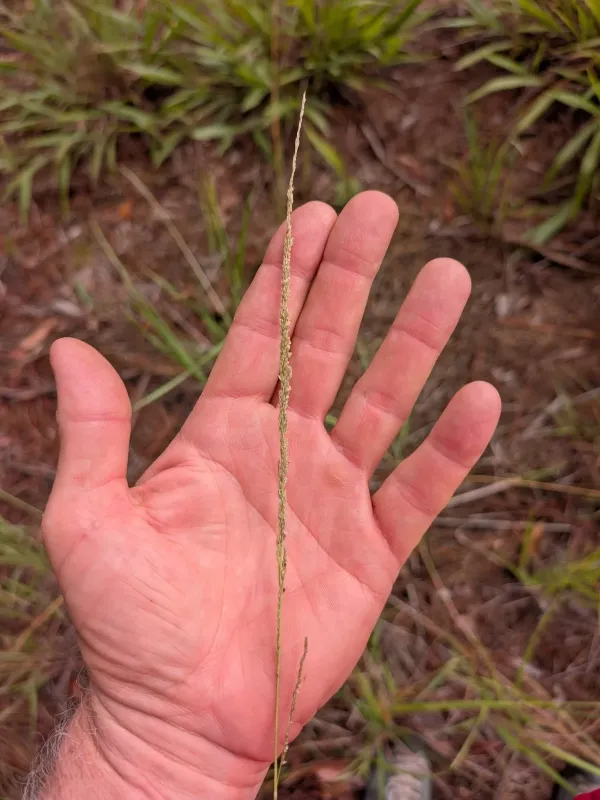
Description
Sowing dates
Seeds of Sporobolus fertilis are typically sown during the spring period when soil temperatures reach a stable level above 15 degrees Celsius. Ensuring thorough seedbed preparation, including deep cultivation and surface leveling, is essential for achieving uniform germination.
The seeding rate is determined based on the intended use of the stand, averaging 8–12 kg per hectare using a standard row drilling method. Seed burial depth should be minimal, as the crop is sensitive to deep planting, which can significantly inhibit sprout emergence.
In arid regions, early sowing is preferred to utilize winter-spring moisture for root system establishment. Fall planting carries the risk of winterkill before the plants can develop sufficient hardiness against the first frost or snow cover.
Rolling the soil after sowing is recommended to improve seed-to-soil contact, a critical factor for these small-sized seeds. During the initial weeks of development, protecting the young stands from weed competition is vital to ensure healthy plant growth.
Optimal plant density is typically achieved 1–2 years post-seeding once the Sporobolus fertilis establishes a full, robust turf. Regular monitoring of the stand allows for timely overseeding in areas where the density may be insufficient.
Growing requirements
Sporobolus fertilis is a perennial grass species belonging to the Poaceae family. Native to tropical and subtropical regions across Asia, it is also frequently found in parts of Australia and Africa, demonstrating a wide geographical distribution.
This crop exhibits high environmental plasticity, allowing it to thrive in various soil types, including nutrient-poor loams and sandy soils. It shows notable tolerance to temporary waterlogging and can grow effectively in areas with high water tables.
Temperature is a primary factor in its development, as it is a warm-season grass. The optimal range for active growth is 20–30 degrees Celsius, and the plant is highly resistant to intense solar radiation and high UV exposure.
Agronomic requirements include the application of fertilizers, particularly nitrogen-based, during early growth stages to stimulate biomass production. The plant also responds positively to organic amendments, which improve the structure of the soil profile.
The crop is known for its active vegetative spread, making it a valuable component in establishing stable pasture ecosystems. With proper management, the stand can maintain high productivity for many years.
Yield
The primary agricultural use of Sporobolus fertilis is in the establishment of hay meadows and as a pasture forage for livestock. It possesses moderate nutritional value, often requiring supplementation with other forage species to meet balanced animal diet requirements.
Biomass yield depends directly on moisture availability and the consistency of fertilization programs. In favorable conditions, 2–3 successful cuts per season are possible, ensuring a stable supply of forage units per hectare.
Hay quality depends significantly on the growth stage at harvest: the crop is most nutritious during the pre-heading or early heading phase. As stems mature and lignify, fiber content increases while digestibility decreases.
When used for grazing, rotational management is essential to prevent overgrazing and the depletion of root reserves. Sporobolus fertilis recovers quickly after intense grazing due to its well-developed tillering nodes.
The economic value of the crop also extends to its ability to control soil erosion on sloping terrains. Its dense turf effectively anchors soil particles, preventing the washing away of topsoil during heavy rainfall.
Main diseases and pests
Common diseases affecting Sporobolus fertilis include fungal infections such as grass rusts and various types of leaf spot diseases. High stand density combined with humid air conditions during the growing season often exacerbates the spread of these pathogens.
Pests, such as aphids, cereal flies, and wireworms, can inflict significant damage on young stands. Preventive measures include crop rotation and the selection of resistant cultivars where available in the breeding program.
Weed control is mandatory for maintaining high stand productivity, especially during the establishment phase. The application of selective herbicides allows for the effective elimination of broadleaf weeds from the grass field.
Protecting the crop against soil compaction is vital, as overly dense soil can lead to the development of root rots. Aeration and timely drainage of fields contribute to long-term plant health.
Regular monitoring of the fields enables the early detection of disease outbreaks. In cases of severe infection, the use of fungicides registered for forage grasses may be justified to protect yield quality.
Harvesting
Harvesting Sporobolus fertilis is performed primarily using mechanical equipment such as various types of mowers. The optimal time for harvesting is just before the flowering phase, when sugar and protein content are at their peak.
When producing hay, ensuring rapid wilting of the mown material is crucial to preserve its nutritional characteristics. Turning the windrows allows for uniform drying, preventing mold development and maintaining forage quality.
During the harvest process, care should be taken to maintain a cutting height of at least 5–7 cm from the soil surface. Cutting too low weakens the plant and delays regrowth, which reduces the productivity of subsequent cuts.
Baled hay should be stored in dry, well-ventilated areas or under shelters, protected from moisture. Properly harvested and stored forage can remain viable until the next season without significant loss of biological value.
To optimize harvest efficiency, crimping the grass during mowing is often recommended, as it speeds up the drying process by 20–30%. This helps minimize risks associated with unfavorable weather conditions during field operations.