
Sandhill muhly
Muhlenbergia pungens
Description
Growing requirements
Sandhill muhly (Muhlenbergia pungens) is a perennial grass species belonging to the Poaceae family. It is native to the sandy regions of the central United States, where it thrives in challenging, nutrient-poor environments.
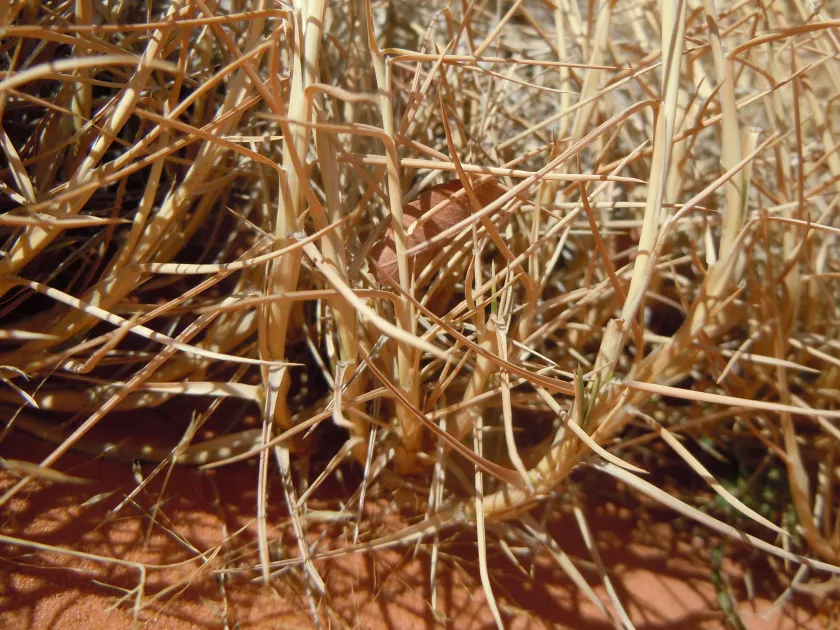
This species is characterized by its stiff, pungent leaves and dense, mounded growth habit. It serves as a vital component of prairie ecosystems, providing essential soil stabilization against wind erosion.
Agrotechnical requirements for this plant emphasize the necessity of well-drained, sandy, or gravelly soils. It cannot tolerate heavy clay or damp conditions, which can lead to rapid decline of the root system.
In terms of climate, the Sandhill muhly requires full sun exposure and dry atmospheric conditions. It is remarkably adapted to high-heat environments and possesses significant cold hardiness, making it suitable for a wide range of temperate zones.
The cultural practice for managing this plant involves minimal irrigation once established and avoiding fertilization, as high nutrient levels can weaken its structural integrity and encourage competition from weeds.
Main diseases and pests
The most significant threat to the Sandhill muhly is root decay caused by excessive moisture or poor drainage. Maintaining a dry root zone is the primary defense strategy for this species.
Fungal infections can occur during periods of prolonged humidity. These pathogens primarily affect the foliage and the crown of the plant, often leading to discoloration and dieback of the stems.
Insect pests such as grass-feeding beetles or larvae may occasionally cause localized damage. However, due to the high silica content in the leaf blades, the plant is naturally protected against many common herbivores.
Weed control is critical during the initial establishment phase. Once the plant has developed a strong root system, it is generally competitive enough to outpace surrounding vegetation in its preferred habitat.
Preventative measures include ensuring proper plant spacing to facilitate airflow and avoiding heavy mulching that could retain moisture around the crown, which is lethal for this species.