
Sand cat's-tail
Phleum arenarium
Description
Growing requirements
Sand cat's-tail, known scientifically as Phleum arenarium, is an annual herbaceous plant belonging to the grass family Poaceae. This species is specifically adapted to thrive in environments that would prove inhospitable for more conventional forage grasses.
The plant originates from coastal regions and sandy habitats across Europe and the Mediterranean. Its evolutionary development has favored a short growth cycle, allowing it to complete its reproductive phase during the spring when moisture is still available.
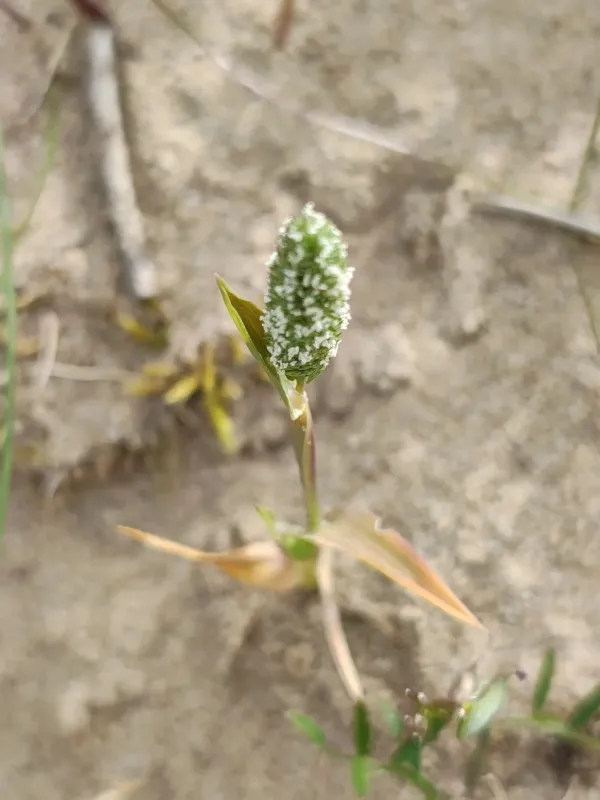
Botanically, it features a distinct cylindrical or tapered inflorescence, which is a hallmark of the Phleum genus. The leaves are typically slender, and the overall plant stature remains low, reflecting its adaptation to wind-swept, sandy areas.
Regarding soil requirements, this species thrives in sandy, well-drained substrates with low nutrient content. It is exceptionally resilient to drought and high solar radiation, making it an excellent candidate for stabilizing loose sand dunes.
In terms of agricultural and ecological use, sand cat's-tail is highly valued in land reclamation projects. It serves as a pioneer species that prepares the soil surface for further vegetation by providing cover and reducing wind erosion.
Main diseases and pests
The most common disease impacting this species is powdery mildew, particularly in dense stands with poor airflow. Maintaining proper plant spacing helps minimize the risk of infection by reducing humidity levels near the soil surface.
Pests such as grass aphids can infest the plants, causing stunting if not managed. While chemical intervention is rarely used on wild or semi-wild populations, monitoring is essential in seed production nurseries.
Root rot fungi can develop in areas where soil moisture remains high for extended periods, despite the plant's preference for well-drained sites. Proper site selection is the primary method for disease prevention.
Competitive weeds pose a threat to the establishment phase of the crop, as sand cat's-tail is a relatively slow grower compared to invasive grasses. Removing invasive species during the early growth stages is crucial for success.
Climate factors such as late-season heat waves can prematurely terminate growth, although this is part of the natural life cycle. Ensuring sufficient moisture during the initial sowing phase significantly improves the density of the cover.