
Sasa kurilensis
Sasa kurilensis (Rupr.) Makino & Shibata
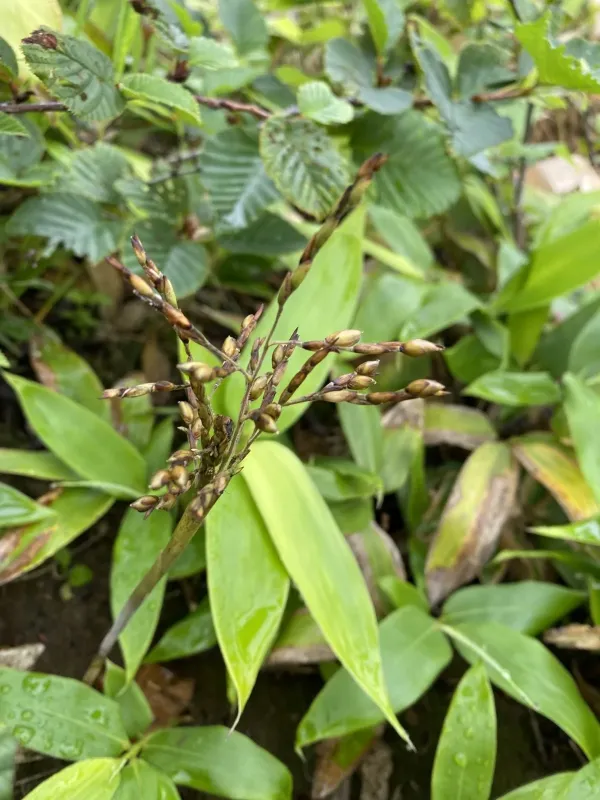
Description
Growing requirements
Sasa kurilensis belongs to the Poaceae family and is one of the most cold-hardy bamboo species in the world. This perennial rhizomatous plant is native to the harsh environments of the Russian Far East, including the Kuril Islands and Sakhalin.
The culture thrives in moist, well-drained, fertile loamy or forest soils. It exhibits remarkable frost resistance, enduring prolonged frozen ground conditions, which makes it suitable for introduction in temperate and northern climatic zones.
Adequate soil moisture is essential for its development, especially during the active growing season. It reacts negatively to both waterlogging and complete drying of the root system, so selecting a site without boggy depressions is crucial for successful cultivation.
While the plant is shade-tolerant, it shows the best vigor and structural growth when grown in well-lit areas with protection from desiccating winds. The optimal soil pH range is slightly acidic to neutral.
Successful management requires controlling the rhizome spread, as Sasa kurilensis can aggressively colonize adjacent areas. Installing underground root barriers is strongly recommended to restrict its growth within the desired parameters.
Yield
The economic utility of Sasa kurilensis centers on soil stabilization, slope protection, and the creation of windbreaks. Its robust rhizome network is highly effective at preventing soil erosion in vulnerable areas.
In natural habitats, it forms dense thickets that serve as a vital winter forage source for wild ungulates and livestock. Young shoots are edible and are traditionally used in culinary applications after proper preparation.
The culms of the bamboo are utilized in weaving, garden landscaping as plant supports, and for creating lightweight agricultural structures. Yields of woody biomass depend on the planting density and the age of the stand.
To ensure a high quality of technical raw material, regular sanitary pruning of older culms is necessary, which promotes vigorous regrowth. The optimal harvesting cycle for raw material ranges between 3 to 5 years.
Sasa biomass is increasingly recognized as a potential source of cellulose and feedstock for bio-composite manufacturing, creating new opportunities for commercial production of this culture in temperate regions.
Main diseases and pests
Sasa kurilensis is characterized by high resistance to common agricultural diseases affecting cereals. The primary risk to plantations comes from fungal infections triggered by excessive soil moisture combined with high ambient temperatures.
The most common pest is the bamboo mite, which feeds on leaf sap, leading to yellowing and deformation of the foliage. In commercial settings, routine monitoring of leaf health during early summer is recommended.
Caterpillars of various Lepidoptera species can consume leaf blades, reducing biomass accumulation rates and weakening the overall plant vitality. Biological control methods are preferred for managing these infestations.
Severe winters may cause mechanical damage to the culms under heavy snow loads or high wind pressure. Cleaning the stand of damaged material after the snow melts is a vital practice to reduce the spread of pathogens.
Root rot issues may arise from poor irrigation management, necessitating strict water regime adherence and regular cultivation of the topsoil to maintain proper aeration and root health.