
Sasa tsuboiana
Sasa tsuboiana
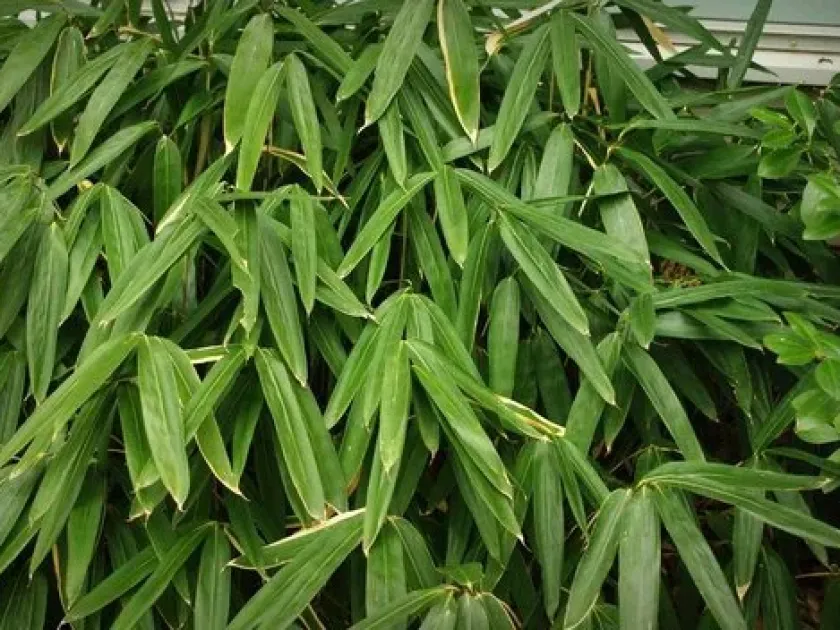
Description
Growing requirements
Sasa tsuboiana is a member of the Poaceae family, specifically belonging to the bamboo subfamily. Native to the mountainous regions of Japan, this perennial evergreen species is prized for its lush, broad, deep-green foliage and vigorous growth habit, making it an excellent groundcover for shady landscapes.
Botanically, it forms thick mats through its aggressive rhizomatous root system. The leaves are distinctively broad and coriaceous, providing year-round visual interest. In its native habitat, it thrives in the understory of forests, adapting to stable, moist environments.
Regarding climate requirements, Sasa tsuboiana prefers temperate conditions with high atmospheric humidity. It is particularly sensitive to direct, harsh sunlight and hot, dry winds, which can easily scorch its delicate leaf tips. It performs best in partial to full shade positions.
Soil quality is paramount for optimal health. The plant requires humus-rich, fertile, and well-drained soil. While it appreciates moisture, it cannot tolerate waterlogged conditions, which lead to root rot. If the native soil is heavy clay, amendments like sand or perlite are necessary to ensure proper drainage.
Cultivation practices involve regular monitoring of the spread. Since it is a running bamboo, installing a deep root barrier is highly recommended to prevent it from invading neighboring flower beds or lawn areas. Occasional pruning of dead or thin stems keeps the clump tidy and encourages fresh growth.
Main diseases and pests
Sasa tsuboiana is generally robust but can fall victim to fungal pathogens like powdery mildew, especially when planted in areas with poor air circulation. Overcrowding and high humidity are the primary catalysts for these outbreaks.
Common pests include spider mites and aphids, which tend to infest the plant during hot, dry spells. These pests damage the foliage, causing stippling or curling. Regular misting and keeping the plants hydrated help in reducing pest susceptibility.
Root rot, specifically caused by soil-borne fungi, remains a threat in poorly drained soils. Symptoms include yellowing leaves and a lack of vigor. It is essential to ensure that the site has effective drainage to prevent the onset of this fatal condition.
Slugs and snails may attack young shoots in the spring. Protective measures such as mulching with crushed eggshells or using organic baits can help manage these pests without damaging the surrounding environment.
Virus infections are rare but possible, often transmitted by sap-sucking insects. Affected plants may show distorted growth or mosaic patterns on leaves. Strict sanitation, including the removal of infected plants, is the primary management strategy for such cases.