
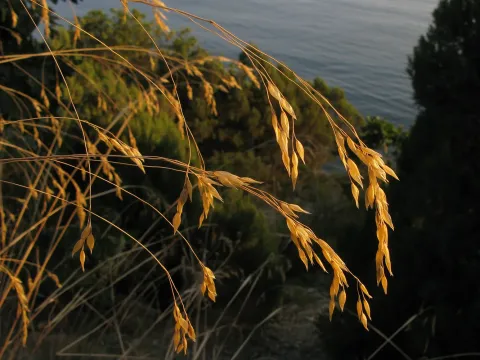
Ricegrass
Piptatherum
Ricegrass seeds are primarily sown in early spring when the soil warms up to 8–10 degrees Celsius. The optimal planting period in temperate regions is April, ensuring that the soil retains sufficient moisture from melting snow to support initial germination.
What the section contains


Ricegrass
The seeding rate depends on soil fertility and the specific cultivation goals, typically ranging from 8 to 12 kg per hectare using row seeding methods. The seeds should be planted at a depth of 2 to 3 cm to ensure they can break through to the surface efficiently.
Compacting the soil before and after sowing is highly recommended to achieve uniform emergence. This ensures better contact between the seeds and soil particles, minimizing moisture loss which is critical for small cereal seeds.
In regions with hot, dry climates, late autumn sowing is possible, allowing seeds to undergo natural stratification. This strategy promotes earlier vegetative growth in the spring, helping the plants establish themselves before the onset of summer droughts.
During the first year, weed management is essential as ricegrass exhibits slow initial growth. Regular cultivation between rows is necessary to prevent weeds from outcompeting the young seedlings for light and space.
Ricegrass is a perennial grass from the Poaceae family, known for its high ecological plasticity. It prefers well-drained chestnut or chernozem soils but can successfully establish itself on sandy loam soils with lower organic matter content.
The crop is remarkably drought-tolerant, making it an excellent candidate for arid agricultural zones. Its deep and extensive root system allows it to efficiently extract moisture from deeper soil horizons, surviving long periods of minimal rainfall.
Ricegrass is not overly demanding regarding light exposure, but it achieves maximum biomass production in open, sunny fields. It is sensitive to waterlogging and does not tolerate soils with high water tables or poor drainage.
The plant exhibits high winter hardiness and can withstand significant temperature fluctuations. Optimal growth occurs between 20 and 25 degrees Celsius, and the crop typically shows a strong ability to recover after late spring frosts.
On poor soils, the application of phosphorus and potassium fertilizers can significantly boost yields. Nitrogen fertilizer should be applied sparingly, as excessive amounts can reduce the plant's natural winter hardiness and resistance to environmental stress.
The biomass yield of ricegrass depends on moisture availability and soil fertility, generally ranging from 8 to 15 tons per hectare. In years with favorable rainfall, these figures can increase by 20–30%.
When grown for hay, the grass should be harvested during the heading stage before the stems become too fibrous. This ensures a high protein content and palatability for all types of livestock.
Seed production is highly variable and depends on weather conditions during the flowering phase. With proper management, yields of 300–500 kg of seeds per hectare can be achieved, making seed production a viable economic activity.
Regrowth after the first cut is moderate, so most regions typically provide one full hay harvest per season. The remaining aftermath is usually utilized for fall grazing.
The productive lifespan of a ricegrass stand under good management ranges from 5 to 8 years. Beyond this point, the density of the stand typically decreases, necessitating interseeding or crop rotation.
Ricegrass possesses strong natural resistance to most fungal diseases common to cereals. However, in conditions of high humidity, leaf rust can occasionally occur, leading to yellowing and a reduction in forage quality.
Pests such as grain beetles or cereal flies may attack the crop during intense stem growth. If pest populations exceed economic thresholds, authorized systemic insecticides should be applied to protect the crop.
Rodents, particularly in winter, can cause significant damage to stands. Preventive measures to manage rodent populations should be implemented before the onset of cold weather to protect the plant crowns.
Root rot can be an issue on heavy clay soils prone to water stagnation. The best prevention is selecting well-drained sites and ensuring that the field does not suffer from standing water.
Weeds are the primary competitors for moisture and nutrients. Periodic harrowing is recommended to break up soil crusts and suppress weed growth, ensuring the ricegrass maintains its vigor.
Hay harvest should begin at the full heading stage to maximize sugar and protein content. Delaying the harvest leads to rapid lignification of the stems, significantly reducing the nutritional value of the final product.
Mowing is done with hay cutters, followed by drying in windrows. In sunny conditions, 2–3 days are usually sufficient to reach the desired moisture level for baling and storage in barns or under covers.
For seed production, a two-stage harvest is recommended once the panicles begin to turn brown. The grass is first mowed into windrows, and after sufficient drying, it is threshed using combine harvesters at reduced drum speeds.
Monitoring seed moisture during storage is critical to prevent spontaneous heating and spoilage. Ideal moisture levels for storage should not exceed 12–14% to maintain high germination rates for future seasons.
Post-harvest residues, such as stubble, should not be burned, as this damages soil structure and kills beneficial microorganisms. Incorporating residues back into the soil helps maintain long-term soil fertility.