
Porcius fescue
Festuca porcii
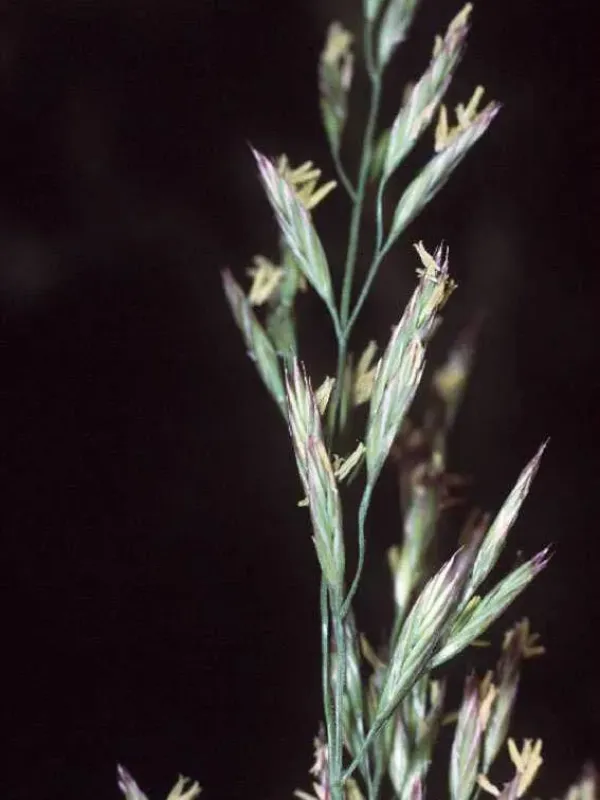
Description
Sowing dates
Porcius fescue (Festuca porcii) is a perennial grass species belonging to the Poaceae family. It is valued in agriculture for its ability to form stable, long-lasting turf, making it a suitable component for permanent pastures and hay meadows.
The optimal time for sowing is during the early spring season when the soil temperature has reached a stable level for germination. This timing allows the plants to establish a strong root system before the onset of the heat of summer.
Seeding rates should be determined based on the specific use of the land, whether it is for intensive grazing or for hay production. Proper calibration of seeding equipment is essential to ensure a uniform stand density across the entire field.
The depth of sowing should be kept shallow, typically between 1.5 to 2.5 centimeters. Placing the seeds deeper than this threshold can significantly reduce the emergence percentage and weaken the initial growth of the young seedlings.
Post-seeding management involves light rolling of the field to secure the seed-to-soil contact. This step is crucial for moisture retention around the seeds, which is necessary for rapid germination and the development of the primary root system.
Growing requirements
This grass species is well-adapted to temperate climates, exhibiting a high level of winter hardiness. It can survive harsh winter conditions and quickly resumes growth in the spring as soon as the soil starts to thaw and warm up.
Porcius fescue thrives on a variety of soil types, preferring fertile loams that have good drainage. While it can withstand occasional dry spells due to its hardy root structure, it is sensitive to waterlogged conditions, which can lead to root decay.
Light availability is a key factor for the productivity of this crop. While it can handle partial shade, the best performance and biomass yield are achieved in open areas with high solar radiation, which supports robust plant development.
Soil nutrient status is important for achieving high forage yields. The application of balanced nitrogen-based fertilizers, especially after each grazing or cutting cycle, encourages vigorous regrowth and enhances the overall nutritional value of the forage.
Effective pasture management includes avoiding overgrazing, which can degrade the root system and deplete soil nutrients. Rotational grazing practices are recommended to maintain the long-term health and productivity of the Porcius fescue stand.
Main diseases and pests
Fungal diseases such as rusts and powdery mildew are common threats, particularly during seasons with high humidity and prolonged rainfall. These diseases can impair the plant's photosynthetic efficiency and reduce the quality of the harvested hay.
Insect pests, including various species of grass flies and stem borers, can damage the plant tissue during the vegetative stage. Regular monitoring of the field is recommended to detect any pest infestation before it reaches economic damage levels.
Weed competition is most significant during the establishment phase of the crop. Implementing mechanical or selective chemical weed control measures can prevent weeds from outcompeting the fescue and ensure a pure, productive stand.
Poor drainage and soil compaction are environmental factors that can predispose the plants to disease. Maintaining adequate soil structure through proper management practices is essential for preventing the buildup of soil-borne pathogens.
When chemical interventions are necessary, it is vital to select products that are safe for forage crops and strictly adhere to the pre-harvest interval guidelines to ensure the safety of the forage for livestock consumption.