
Prionanthium pholiuroides
Prionanthium pholiuroides
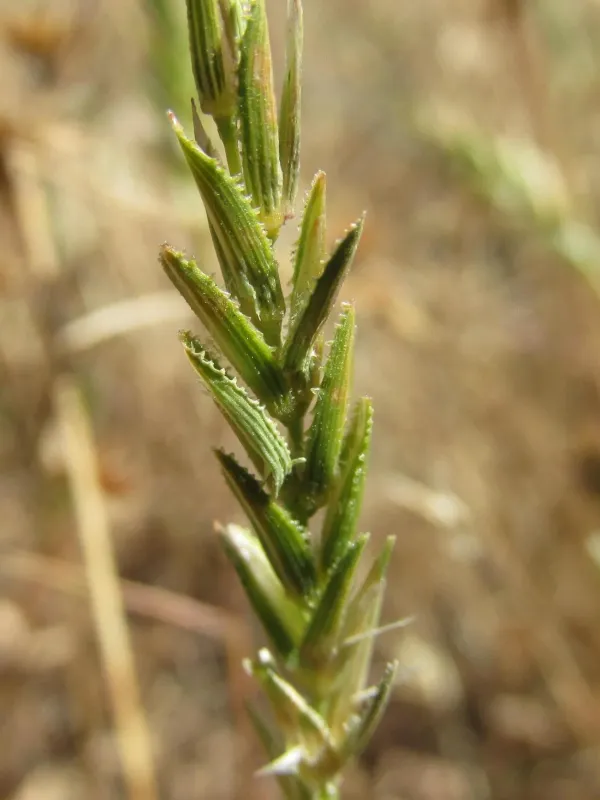
Description
Growing requirements
Prionanthium pholiuroides belongs to the grass family, Poaceae. It is a specialized botanical species native to the Cape Region of South Africa, where it has evolved to thrive in unique environmental niches.
This grass species typically prefers sandy and nutrient-poor soils characteristic of the fynbos biome. Its growth cycle is strictly synchronized with winter rainfall patterns typical of the region.
Biological adaptations of Prionanthium pholiuroides allow it to persist in conditions that are highly challenging for many agricultural grasses, including low nitrogen availability and periodic water stress.
The plant exhibits specific morphological traits, including narrow leaves and specialized inflorescence structures that assist in seed dispersal within its native environment.
In terms of agricultural interest, the species serves as a genetic resource for studying drought resistance and adaptation to impoverished soil conditions in grasses.
Main diseases and pests
The main threats to Prionanthium pholiuroides include habitat fragmentation caused by urban expansion and changes in regional land-use policies in South Africa.
Fungal pathogens associated with the Cape flora can negatively impact the plant's health, particularly during periods of unseasonal humidity or poor soil drainage.
Various insect pests, including grasshoppers and sap-feeding beetles common in the region, can cause localized damage to the foliage and reproductive organs of the plant.
Uncontrolled grazing or trampling by livestock can severely damage the delicate root systems of the plants, leading to a decline in population density.
Competition with invasive alien plant species is a significant factor contributing to the loss of natural habitats for this specific grass species.