
Polytrias
Polytrias
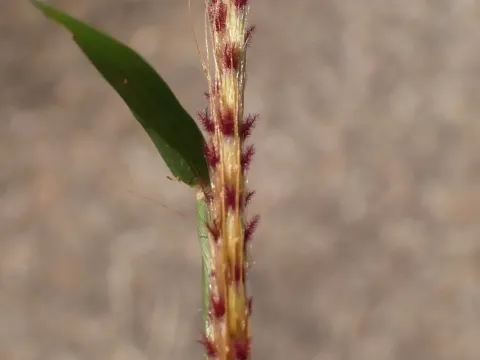
Polytrias is a genus of perennial grasses belonging to the Poaceae family. The genus is represented by the notable species Polytrias indica, which is highly valued for its role in tropical pasture systems and soil conservation efforts.
What the section contains

Polytrias
The plant originates from the tropical regions of Southeast Asia. Its natural habitat includes open grasslands, cleared forest areas, and agricultural peripheries, where it thrives under high-temperature and high-humidity conditions common to the region.
Climatic requirements for Polytrias are strictly tropical. It needs high levels of solar radiation and consistent moisture to maintain its growth cycle. The plant is extremely sensitive to frost and cold weather, which limits its cultivation to warm, frost-free climate zones.
Regarding soil conditions, Polytrias prefers well-drained, fertile soils. It demonstrates good tolerance to moderate soil acidity and is known for its ability to stabilize soil surfaces, preventing erosion effectively in high-rainfall areas.
Agronomic management of Polytrias primarily focuses on its utility as a grazing crop. It establishes a dense sward that is resilient to grazing pressure, making it an excellent candidate for managed livestock operations where rapid recovery of biomass is essential.
The primary threats to Polytrias cultivation involve fungal pathogens that proliferate in humid, tropical environments. Rust and various leaf spot diseases are common, potentially damaging the foliage and reducing the overall feed value of the grass.
Insect pests can also pose significant challenges. Larvae and foliage-feeding insects can cause extensive damage to the sward, particularly during the peak growing season, necessitating active monitoring and integrated pest management strategies.
Weed competition is a critical concern, especially during the establishment phase. Since Polytrias develops a dense carpet, it eventually suppresses most weeds, but initial protection is required to ensure a uniform and productive stand.
Overgrazing represents a major risk to the longevity of the pasture. If the livestock pressure exceeds the recovery rate of the grass, the root system weakens, leading to soil exposure and a decrease in the overall productivity of the grazing area.
Effective management includes maintaining a balanced grazing rotation. This practice prevents the plant from being over-stressed and keeps the biological defenses of the grass active, thereby minimizing the need for extensive chemical intervention against pests or diseases.