
Java grass
Polytrias amaura
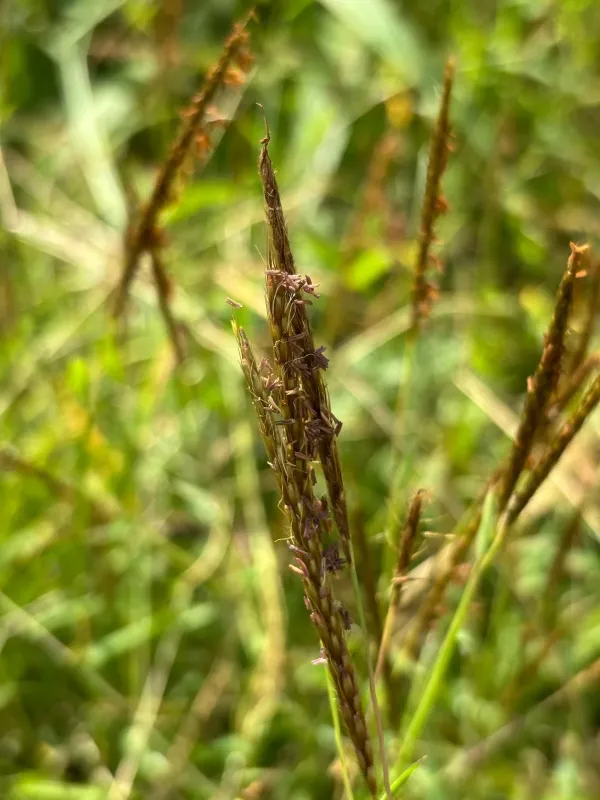
Description
Growing requirements
Java grass (Polytrias amaura) is a perennial grass species belonging to the Poaceae family. It is widely recognized for its creeping growth habit and ability to form dense mats, which makes it an ideal ground cover and forage crop in tropical regions.
The plant is native to Southeast Asia and thrives in warm, humid climates. It has evolved to perform well in areas with heavy seasonal rainfall, making it a reliable source of green fodder when other grasses might struggle.
In terms of soil requirements, this crop prefers well-drained loamy soils but is remarkably adaptable to various soil textures. It can grow in moderately acidic to neutral soils, provided there is enough organic matter to support continuous growth.
The climate requirements include plenty of sunlight and high humidity. While it is tolerant of short dry spells, sustained drought conditions may lead to dormancy, reducing the biomass production significantly during those periods.
Agricultural use of Java grass primarily revolves around its role as a pasture grass. It is highly valued for its palatability and nutritional profile, which supports healthy weight gain and milk production in livestock grazing on these fields.
Main diseases and pests
Common threats to Java grass include fungal infections such as leaf blight and rust, especially during prolonged wet weather. These pathogens can cause significant yellowing of the foliage and reduce the overall quality of the forage provided to animals.
Pest pressure often comes from leaf-feeding insects, including caterpillars and grasshoppers, which can strip the leaves and weaken the plant's ability to photosynthesize effectively during peak growing seasons.
Management practices should prioritize rotational grazing to prevent overgrazing and to break the life cycle of potential pests. Maintaining proper soil fertility through balanced fertilization also helps the plant recover quickly from grazing stress.
Monitoring the fields for signs of discoloration or wilting is essential for early detection of issues. Quick intervention, such as adjusting grazing density, often prevents small patches of damage from spreading across the entire pasture.
Implementing integrated pest management (IPM) strategies, which include the use of beneficial insects or biological controls, is highly recommended to keep the ecosystem healthy without relying solely on chemical treatments.