
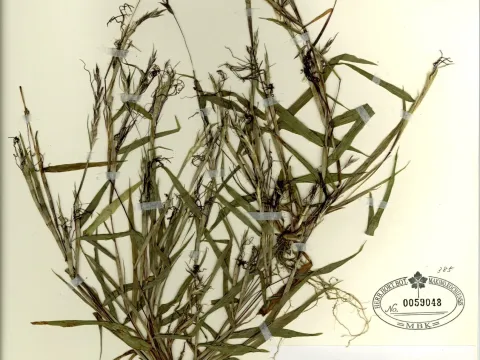
Polytoca
Polytoca
Polytoca is a genus of plants belonging to the Poaceae family. These plants are related to maize and other tropical cereals, exhibiting robust growth patterns and specialized structural adaptations for survival in tropical environments.
What the section contains
Polytoca
The origin of this crop is traced back to Southeast Asia and parts of Australia. Its distribution is confined to regions where tropical climatic conditions persist, providing the necessary heat and humidity for the plant's life cycle.
For cultivation, Polytoca requires well-drained, nutrient-rich soils that maintain moisture without becoming waterlogged. The crop thrives in environments where sunlight is abundant, as this is essential for the photosynthesis of its large leaves.
Climate requirements include high ambient temperatures throughout the growing season. The plant is highly sensitive to frost, which limits its commercial cultivation to frost-free tropical or subtropical zones.
In terms of agricultural utility, Polytoca is primarily used for forage and fodder production. Its high biomass yield makes it a valuable resource for cattle farmers looking for high-energy feed options for their livestock.
Fungal diseases, including leaf rusts and various types of smut, pose a significant threat to Polytoca crops. Effective disease management involves maintaining proper spacing and ensuring adequate soil fertility.
Insect pests such as stem borers and aphids frequently target the stalks and leaves of the plant. Integrated pest management strategies are often implemented to control these infestations without excessive chemical use.
Soil-borne pathogens can impact the root system, especially in poorly drained soils. Improving soil structure through regular cultivation is a critical step in maintaining healthy crop stands.
Weed competition during the early establishment phase can severely restrict the growth of the crop. Manual or mechanical weeding remains the most common practice for small and medium-scale producers.
Agricultural monitoring is essential for identifying potential stress factors early. Consistent field checks allow producers to address issues related to nutrition, pests, or disease before they reach an economic threshold.