
Pogonarthria squarrosa
Pogonarthria squarrosa
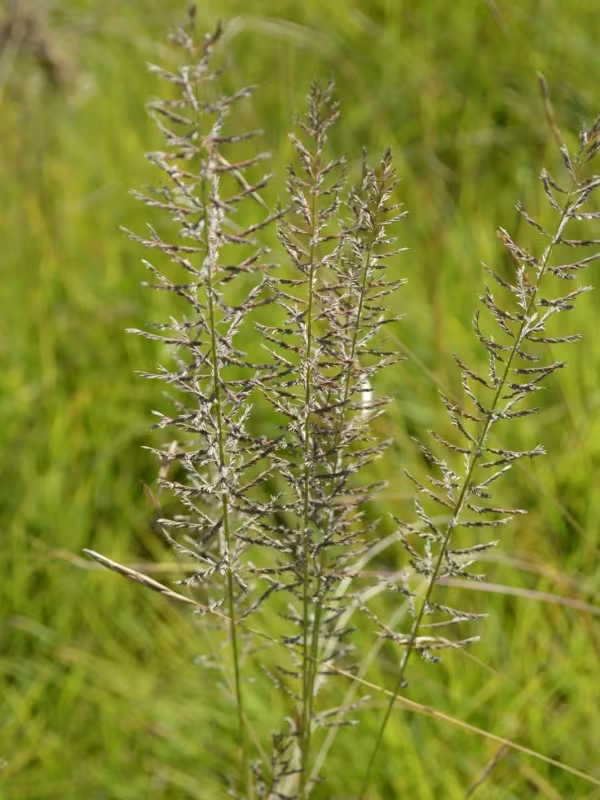
Description
Sowing dates
Pogonarthria squarrosa is typically sown at the beginning of the rainy season to ensure optimal soil moisture for germination. As a perennial grass, it establishes itself through seeds that adapt well to the varied climatic conditions of the African savanna.
Successful establishment requires a well-prepared seedbed, clear of aggressive weeds that could compete with the small, delicate seedlings. Direct surface sowing followed by light soil compaction is the most effective method for this species.
The plant has a natural ability for self-seeding, which helps maintain dense pasture stands over consecutive growing seasons. When introduced to new areas, precise placement ensures a higher percentage of successful colonization.
Farmers often use a no-till or reduced-tillage approach to seed Pogonarthria, which helps preserve soil structure and existing moisture levels in semi-arid environments.
Maintaining the correct seeding density is crucial for long-term pasture sustainability, allowing the grass to spread effectively without overcrowding during its early developmental phases.
Growing requirements
Belonging to the Poaceae family, Pogonarthria squarrosa is highly specialized for life in harsh, semi-arid environments. It thrives in well-drained sandy or loamy soils, common in the steppe and savanna regions of Africa.
The plant demonstrates remarkable drought tolerance, surviving extended dry spells that would decimate less hardy forage crops. It also performs well in soils with low fertility, making it an excellent candidate for land reclamation.
Abundant sunlight is a primary requirement for the growth of this species. It is not adapted to shaded environments, as excessive coverage by woody vegetation inhibits its tillering and overall biomass accumulation.
Temperature regimes in its native range are subtropical, and Pogonarthria is adapted to significant diurnal and seasonal fluctuations. It can also withstand the impact of natural fires common in its ecosystem.
Soil pH levels should generally be neutral or slightly acidic. It is important to avoid highly saline soils, as this species shows poor growth performance and lower yields under high salinity conditions.
Yield
The yield of Pogonarthria squarrosa is heavily influenced by rainfall patterns. During good growing seasons, it provides a consistent and abundant supply of green forage suitable for livestock grazing.
In terms of nutritional value, it is most palatable in its early growth stages. As the plant matures and produces seed heads, the stalks become more fibrous, which decreases its overall digestibility for cattle and small ruminants.
Rotational grazing is the recommended strategy to maintain optimal yield. This practice ensures that the grass has periods to recover, which prevents overgrazing and keeps the nutrient content at an acceptable level.
The species also contributes to the seed bank of the pasture, ensuring that the field remains productive over many years without the need for frequent re-seeding.
Total annual biomass production is generally sufficient to support extensive livestock farming, making it a reliable resource in regions where high-input crops cannot succeed.
Main diseases and pests
Fungal diseases, particularly leaf spot pathogens, can impact Pogonarthria squarrosa during periods of prolonged high humidity. These infections can reduce the leaf surface area and lower the quality of the forage.
Locusts and grasshoppers represent significant threats to the crop. Outbreaks of these insects can lead to total defoliation, severely reducing the vitality of the plants and diminishing the yield for the season.
Overgrazing remains the most pervasive human-induced threat. Continuous, intensive pressure from livestock depletes the energy stores in the roots, eventually leading to plant death and soil erosion.
Invasive weed species can outcompete Pogonarthria if the pasture is not properly managed. Once the grass stand is thinned, aggressive exotic plants often move in to replace the native vegetation.
Ergot infections within the seed heads can pose a toxicity risk to livestock. It is crucial to monitor the condition of the grass during the seed-ripening phase to ensure animal health and safety.